


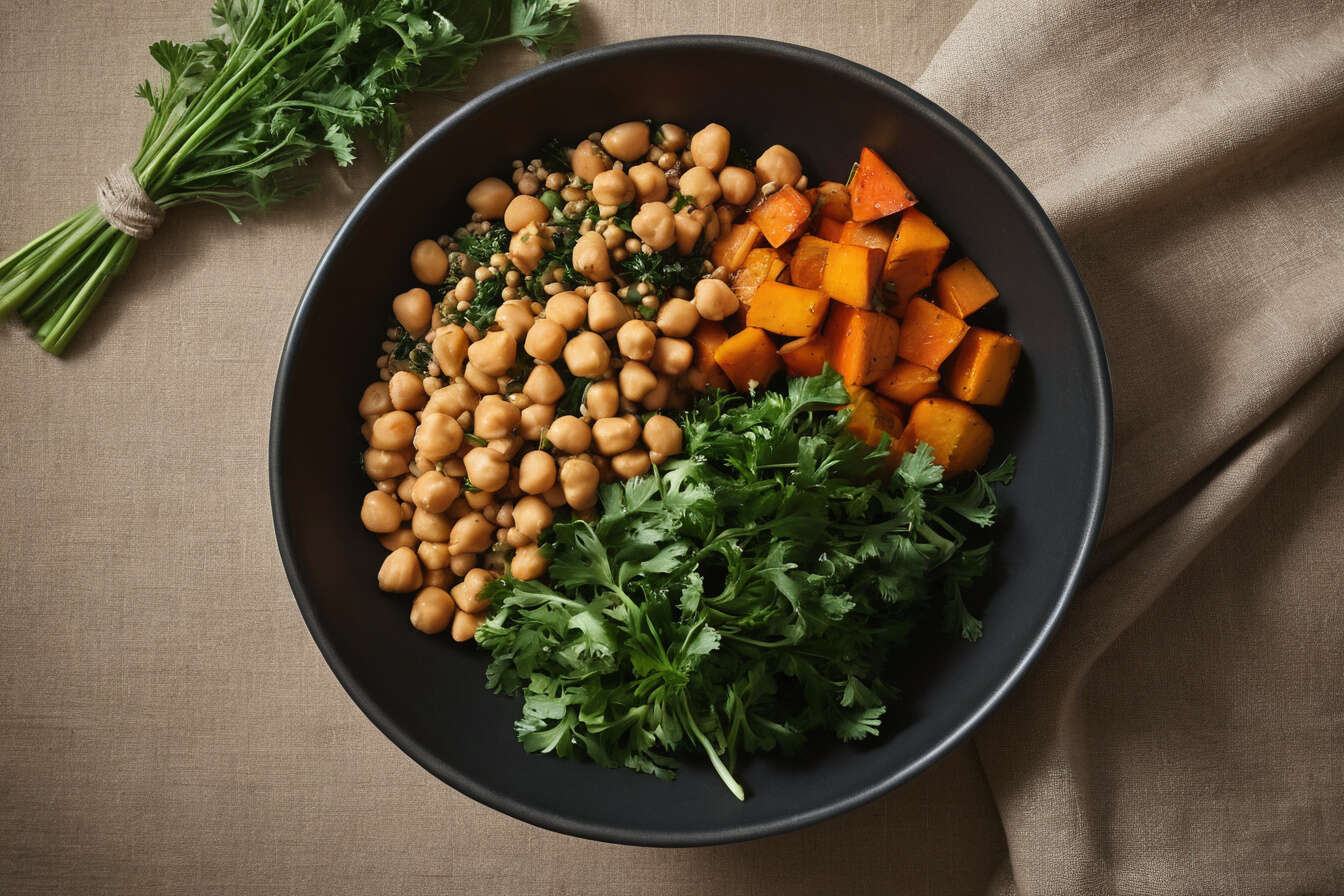
- A plant-based eating pattern emphasizes fruits, vegetables, whole grains, beans, nuts, and seeds, with optional reduction of animal products for a nutrient-dense, high-fiber diet.
- Consistently supports heart health, better lipid and glucose control, weight management, and potential reductions in inflammation and cancer risk; benefits vary by individual and dietary quality.
- Practical tips include building colorful bowls, planning meals and groceries, batching plant-based proteins, monitoring key nutrients (B12, iron, calcium, vitamin D, omega-3s), and gradual dietary shifts.
Table of Contents
- Introduction
- 1. Heart Health Benefits of Plant-Based Diets
- 2. Weight Management and Metabolic Health
- 3. Reducing Inflammation and Immune Support
- 4. Cancer Risk Reduction and Protective Effects
- 5. Digestive Health and Gut Microbiome
- 6. Nutritional Considerations and Practical Tips
- 7. Environmental and Long-Term Wellness Implications
- FAQ
- Conclusion
Introduction
What is a plant-based diet?
A plant-based diet emphasizes foods derived from plants, including fruits, vegetables, whole grains, beans, nuts, and seeds. You can choose to reduce or exclude animal products, ranging from vegetarian to vegan patterns. The focus is on minimally processed options and high-fiber foods.
Labels vary from vegetarian to vegan, but the core idea remains the same: plant-forward meals that prioritize nutrient-dense ingredients over highly processed options.
Overview of health implications and scope of benefits
Clinical data indicate that plant-based eating is associated with better weight management, improved lipid profiles, and steadier blood sugar. Some studies also report lower inflammatory markers and fewer risk factors for chronic diseases when red meat is replaced with plant proteins.
Key dietary components driving these benefits include:
- Fiber-rich foods such as fruits, vegetables, and whole grains
- Healthy fats from nuts and seeds
- Plant proteins from beans, tofu, and legumes
In practical terms, a plant-based pattern often means more protective nutrients and less saturated fat. Substituting one serving of beef with beans or lentils weekly can improve cholesterol profiles over several months. Bella Kent recommends pairing plant meals with mindful portion sizes to support metabolic balance.
1. Heart Health Benefits of Plant-Based Diets
Impact on cholesterol and blood pressure
A plant-based pattern tends to lower LDL and total cholesterol for many people. This follows a higher intake of fiber, plant sterols, and healthy fats from nuts and seeds. Substituting animal proteins with legumes, whole grains, and vegetables helps reduce saturated fat intake, supporting healthier lipid profiles.
For example, swapping beef for kidney beans in a taco night can contribute to lower LDL levels over a matter of weeks for some individuals. Practical steps include using chickpeas in place of ground meat in bolognese and choosing almonds over crackers for snacks. Consider a blood lipid test after 8–12 weeks to gauge progress.
Blood pressure often improves with more produce, legumes, and whole grains. The fiber, potassium, and magnesium in these foods support vascular function and steady pressures, especially when paired with regular physical activity and weight management.
Real-world tip: aim for at least 4 servings of vegetables and 2 servings of fruit daily, plus 3 servings of whole grains. This pattern aligns with dietary guidelines and can lead to measurable BP reductions in adults with elevated risk.
Evidence on cardiovascular risk reduction
Across multiple lines of evidence, plant-forward eating patterns correlate with better lipid management, weight control, and glucose metabolism. Real-world patterns show meals centered on vegetables, fruits, and whole grains complement standard heart health care.
Major health organizations recognize plant-forward patterns as part of a heart-healthy lifestyle. While results vary by individual, the approach supports cardiovascular health through fiber-rich meals and reduced reliance on saturated fats. In analyses from the last few years, populations embracing plant-forward diets show a modest but consistent reduction in overall cardiovascular events compared with meat-heavy patterns.
2. Weight Management and Metabolic Health
Effects on body mass index and fat distribution
A plant-based pattern shifts energy toward fiber rich foods and away from high calorie animal products. Real world examples include swapping sausage for lentil soup and adding a side salad to meals.
Patterns built around whole grains, vegetables, and legumes tend to enhance fullness between meals, supporting consistent intake without deprivation. This can translate into gradual, sustainable changes in body composition over several weeks.
Some individuals notice a reduction in visceral fat when adopting plant-forward meals, which can influence metabolic signaling. Track waist measurements along with weight to gauge progress over a 6 to 12 week period.
Glycemic control and diabetes risk reduction
Fiber from beans, whole grains, and vegetables helps moderate post meal glucose responses. Pairing beans with brown rice is one practical way to slow carbohydrate absorption.
With consistent activity and mindful portions, plant-based patterns may lessen reliance on certain glucose lowering medications for some patients. Collaborate with a clinician to adjust plans gradually and monitor HbA1c or fasting glucose every 3 months.
3. Reducing Inflammation and Immune Support
Role of fiber, micronutrients, and phytonutrients
A plant-based pattern emphasizes a wide range of fiber-rich foods, vitamins, minerals, and plant compounds. This diverse mix supports gut microbiota that help regulate immune responses and curb systemic inflammation. Choosing a variety of fruits, vegetables, whole grains, beans, nuts, and seeds provides steady supplies of bioactive compounds without leaning on highly processed options.
Key micronutrients such as potassium, magnesium, and folate contribute directly to vascular and immune function. Phytonutrients like polyphenols and carotenoids act as antioxidants, supporting the body’s defenses against oxidative stress. Emphasize a broad spectrum of plant foods to receive these benefits rather than relying on a single item.
Connections to chronic disease risk
Lower baseline inflammation links to improved inflammatory markers and reduced risk factors for various conditions. Diets rich in fiber and plant-based proteins support cardiovascular and metabolic health over time.
Long-term patterns centered on plant-forward meals may help temper inflammatory processes that underlie hypertension, insulin resistance, and some cancers. The impact unfolds gradually and depends on overall dietary quality and lifestyle choices beyond food alone.
4. Cancer Risk Reduction and Protective Effects
Plant-based patterns and cancer incidence trends
Shifting toward plant-forward meals can modify risk markers over time. For instance, swapping a meat-centric dinner for bean or lentil based dishes increases dietary fiber and phytochemicals that support cellular health.
People who follow mostly plant-based patterns with occasional animal foods often show favorable colorectal cancer risk signals when meals emphasize plant diversity. A practical approach is to make plant-forward meals the default and choose animal options mindfully based on context.
Dietary components associated with protection
- High fiber from vegetables, fruits, beans, and whole grains supports gut health and may reduce formation of carcinogenic compounds.
- Polyphenols and carotenoids from colorful produce act as antioxidants with potential protective effects.
- Phytonutrients from legumes, nuts, and seeds contribute to anti-inflammatory and immune-supportive pathways.
- Lower intake of processed meats and saturated fats can complement protective patterns.
| Component | Protective role |
|---|---|
| Dietary fiber | Supports gut microbiome and bowel health |
| Fruits and vegetables | Provides vitamins, minerals, and antioxidants |
| Beans and whole grains | Contributes plant protein and fiber with steady energy |
Practical tips for Bella Kent readers: plan two plant-based dinners weekly that center beans or lentils as the main protein. batch-cook legumes on Sundays to simplify weekday meals. monitor fiber intake with a simple checklist to avoid bloating as your gut adjusts.
5. Digestive Health and Gut Microbiome
Fiber diversity and gut flora
A plant-based diet naturally increases dietary fiber variety, feeding a broader range of gut bacteria. Mixing berries, oats, lentils, almonds, and chia seeds expands substrates available to microbes and supports a more resilient microbiome. This diversity can enhance fermentation patterns in the colon and may contribute to stable postmeal energy and satiety.
Different fiber types matter. Soluble fiber from oats and apples slows digestion and helps stabilize blood sugar, while insoluble fiber from whole grains and broccoli adds stool bulk. Together, they promote regularity and can reduce minor digestive discomfort such as occasional bloating.
Impact on digestion and bowel health
Incorporating a mix of plant foods supports more regular stool frequency and consistency over several weeks. Aim for at least 25–35 grams of fiber daily and monitor changes in bowel habits to tailor intake.
When shifting to plant based eating, increase fiber gradually. Start by adding one high fiber meal per day and drink water consistently. This approach, combined with varied fiber sources like legumes, whole grains, and vegetables, minimizes bloating and gas while the microbiome adapts.
6. Nutritional Considerations and Practical Tips
Key nutrients to monitor on plant-based diets
You should track a few nutrients that shift with plant-based eating. Monitoring helps sustain energy and bone and heart health over time.
- Protein quality and variety: combine legumes, nuts, seeds, tofu, and whole grains to ensure all essential amino acids are covered. For example, pair rice with beans at lunch and add tofu to a vegetable stir-fry for dinner.
- Vitamin B12: consider fortified foods or a supplement, as plant foods typically lack adequate amounts. A practical plan is to include B12-fortified plant milk at breakfast and a 25 mcg supplement on non-dairy days if you don’t eat animal products.
- Iron: pairing plant sources like lentils and spinach with vitamin C-rich foods boosts absorption. Add citrus or bell peppers to lentil soups or spinach salads with orange segments.
- Calcium and vitamin D: choose fortified dairy alternatives and sun exposure or supplements as needed to maintain bone health. Use fortified almond milk in smoothies and seek 15 minutes of sun exposure several days a week, or consider a 600 IU vitamin D supplement in winter.
- Omega-3 fats: include flaxseeds, chia seeds, walnuts, or algae-based supplements to support cardiovascular and inflammatory health. Add ground flaxseed to oats or a chia pudding for easy daily intake.
- Iodine: use iodized salt or seafood alternatives if dairy and animal products are limited. A small pinch of iodized salt in cooking or a fortified breakfast cereal can help meet needs.
- Sodium and potassium balance: focus on whole foods to modulate blood pressure. Prioritize potassium-rich beans, sweet potatoes, and leafy greens while limiting ultra-processed snacks.
Practical strategies for balanced meals
Structure meals around a colorful plate and vary your staples to cover all bases.
- Build bowls: start with a grain base, add a legume, a handful of vegetables, and a healthy fat for satiety. Example bowl: quinoa plus chickpeas, roasted peppers, avocado, and olive oil.
- Plan grocery lists by category: fruits and vegetables, whole grains, beans, nuts, seeds, and fortified items. Create a weekly map to avoid gaps in nutrients.
- Batch-cook proteins and grains for quick, balanced meals during busy days. Cook a big pot of lentil curry and separate portions for lunches.
- Use fortified foods strategically to close nutrient gaps without over-reliance on supplements. Choose fortified cereals or plant milks to top up calcium and B12 where needed.
- Mind portion sizes: aim for fiber-rich foods at each meal to support fullness and steady energy. Include at least one cup of vegetables and a palm-sized portion of protein.
7. Environmental and Long-Term Wellness Implications
Sustainability of plant-based eating
Switching to a plant-based pattern can cut resource draws in the food system. Real-world data show lower water use, land use, and greenhouse gas emissions when animal products are limited or replaced with staples like fruits, vegetables, whole grains, beans, nuts, and seeds. This shift supports more efficient agricultural resource use over time.
Real-world practice matters. Choose minimally processed plant foods and seasonal produce to boost environmental benefits while keeping flavor and variety. For example, swap beef for lentil chili, or use chickpeas in place of some poultry in salads. Small, consistent dietary tweaks often yield the strongest sustainability gains.
Long-term health maintenance and lifestyle integration
- Consistency matters more than perfection. A mostly plant-based pattern with occasional animal products can still support health goals.
- Meal planning reduces reliance on low-nutrient convenience options. Build balanced bowls with a fiber-rich base, a variety of plant proteins, and colorful vegetables.
- Social and cultural factors shape adherence. Flexible ideas like meatless Mondays or regionally inspired plant-forward dishes improve long-term commitment.
- Monitor key nutrients. Regular clinician check-ins help adjust intake to keep energy, mood, and metabolic markers stable.
FAQ
Are plant-based diets actually healthy?
Plant-based patterns can support health when they emphasize a variety of minimally processed vegetables, fruits, whole grains, beans, nuts, and seeds. Monitor key nutrients to ensure adequacy, especially B12, iron, calcium, and vitamin D.
Real-world example: a typical week might pair oats with berries, a bean chili, tofu stir fry, and roasted broccoli with almonds. Many readers use fortified products or supplements for B12 and calcium when animal products are limited.
Do cardiologists recommend plant-based diets?
Guidelines from cardiology-focused bodies often endorse plant-forward eating to improve cardiovascular risk factors. The focus is on whole foods, fiber, and reducing saturated fat from animal sources, tailored to individual health needs.
start with one plant-based meal per day and gradually move to two. For those with elevated LDL, swapping beans or lentils for red meat twice weekly can support lipid improvements in some people.
Who benefits most from plant-based eating?
Benefits are broad, particularly for improving lipid profiles, managing blood pressure, and supporting weight maintenance. Those at higher risk for type 2 diabetes or colorectal cancer may see meaningful risk reductions when the pattern is sustained with diverse plant foods.
Note: individuals with iron or B12 concerns should pair nonheme iron sources with vitamin C rich foods and consider periodic iron checks if symptoms arise.
Can a plant-based diet address weight loss effectively?
Yes. It can support weight loss by increasing fiber, reducing caloric density, and promoting satiety. Focus on whole grains, legumes, vegetables, and portion-aware planning to sustain energy and prevent overeating.
Plate approach: fill half the plate with non-starchy vegetables, a quarter with beans or lentils, and a quarter with a whole grain, adjusting for activity and appetite.
Conclusion
Summary of key health benefits
A plant-based eating pattern supports cardiovascular risk reduction, better metabolic health, and favorable cancer risk signals. Real-world data show that substituting one red meat meal with beans and vegetables can lower weekly saturated fat intake and boost fiber. You gain nutrient diversity from fruits, vegetables, whole grains, beans, nuts, and seeds, while energy remains steady due to complex carbohydrates and protein. Some studies also report lower inflammatory markers with plant-forward patterns.
Starting steps to adopt a plant-based approach
- Center meals around vegetables and fruit, then add whole grains and a plant protein such as beans or lentils.
- Switch animal proteins to beans, lentils, tofu, or tempeh several times per week to broaden amino acid sources and micronutrient intake.
- Choose minimally processed options and fill half your plate with colorful produce at most meals.
- Plan with quick staples: cook a batch of quinoa or brown rice, keep canned beans handy, and stock frozen vegetables for speedy bowls.
- Track nutrients like iron, vitamin B12, and omega-3s; consult a clinician if supplementation is advised for your situation.
References
- The benefits of a plant-based diet
- Nutritional Update for Physicians: Plant-Based Diets – PMC
- The right plant-based diet for you
- The benefits of plant-based nutrition
- Health Benefits of a Plant-Based Dietary Pattern and Implementation …