

Table of Contents
Introduction
Why these terms matter in modern eating
You’ll encounter plant‑based, vegetarian, and vegan in everyday conversations, recipes, and product labels. The terms reveal not only what you eat but how you think about food, animals, and your impact on the world. Clear definitions help you choose patterns that align with health goals, ethics, and lifestyle.
Definitions can vary by source. Some aim for 100 percent plant foods, while others allow small amounts of animal products. Understanding the core ideas helps you align choices with your values without getting bogged down in jargon.
How this guide clarifies common confusion
This guide distinguishes three mainstream paths by definition, exclusions, and overlaps. You’ll find practical distinctions you can apply at the grocery store, in a restaurant, or when planning meals.
Key takeaways cover how each approach treats animal products, typical motivations, and everyday implications for health and eating patterns. By the end, you’ll know what to expect from terms like plant‑based diet versus vegan diet versus vegetarian diet.
2. Core Motivations Behind Each Choice
Health and nutrition goals
Your health targets shape the pattern you choose. A plant‑based approach tends to emphasize whole foods, fiber, and nutrient density, supporting heart health and weight management when meals center on vegetables, legumes, and whole grains. A vegetarian diet reduces meat intake while permitting dairy and eggs, aiding protein and micronutrient balance when planned thoughtfully. A vegan diet excludes all animal products and may require careful planning to cover nutrients such as vitamin B12, iron, and omega‑3 fats.
Ethical considerations
Ethics drive many people toward these patterns. Some aim to minimize animal suffering by avoiding meat and dairy entirely, aligning with veganism. Others focus on reducing animal farming while still consuming dairy or eggs in moderation, which aligns more with lacto‑ovo vegetarian practices. The choice often reflects personal beliefs about animal welfare, animal rights, and the societal impact of farming.
Environmental impact
Motivations centered on resource use and emissions focus on how food choices influence ecosystems. Plant‑based patterns generally reduce reliance on livestock farming, potentially lowering water and land use and greenhouse gas emissions. Vegans tend to pursue smaller ecological footprints by excluding all animal products, while vegetarians may accept dairy and eggs as part of a broader strategy. For some, the decision aligns with wider sustainability goals and food system considerations.
3. Typical Food Patterns and Examples
Common plate compositions for plant-based eaters
A plant-based plate centers on vegetables, legumes, and whole grains, with room for animal products based on personal goals. Prioritize color, texture, and variety to cover nutrients without relying on meat.
- Half the plate: non-starchy vegetables or salad
- Quarter: whole grains or starchy carbs
- Quarter: plant proteins such as beans, lentils, or tofu
- Snacks: fruit, nuts, or seeds to round out the meal
Standard vegetarian meal patterns
Vegetarian meals exclude meat, poultry, and fish but may include dairy and eggs. Patterns vary by dairy and egg inclusion, influencing protein sources and micronutrient access.
- Lacto-vegetarian: dairy included, eggs excluded
- Ovo-vegetarian: eggs included, dairy excluded
- Lacto-ovo vegetarian: both dairy and eggs included
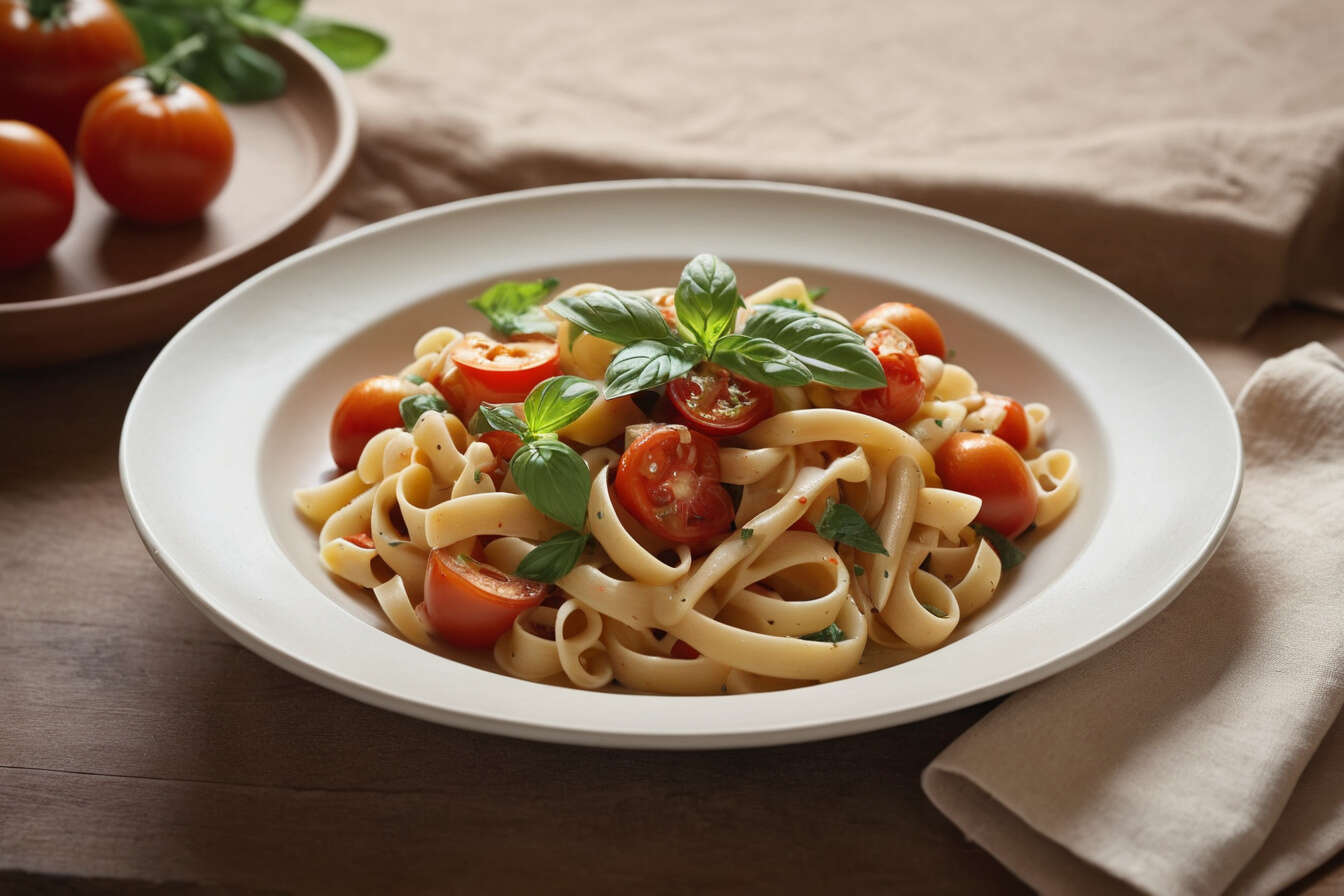
- Common combinations: whole grain bowls, pasta with vegetables and cheese, egg-based breakfasts
Vegan staple foods and substitutions
A vegan plan eliminates all animal products, relying on fortified options to cover nutrients. Substitutions help replicate textures and flavors without dairy, eggs, or meat.
- Proteins: beans, lentils, tempeh, tofu, seitan
- Greens and grains: quinoa, brown rice, kale, spinach
- Dairy substitutes: fortified plant milks, fortified plant yogurts, fortified plant cheeses
- Egg substitutes: flax or chia “egg,” commercially prepared blends
4. Health Implications: What the Evidence Says
Nutrient considerations and potential gaps
Plan for real life meals rather than single nutrients. A plant‑forward day might feature fortified dairy alternatives, legumes, whole grains, and vegetables, but you still need to monitor key nutrients like B12 and iron through testing or clinician guidance.
Practical steps to consider today:
- Track weekly iron and B12 intake and adjust with fortified foods or supplements as advised by a professional.
- Pair iron‑rich plant foods with vitamin C sources to improve absorption.
- Choose fortified plant milks and calcium‑set tofu to meet calcium needs.
- Incorporate algae‑based EPA/DHA or include omega‑3 rich options like flaxseed or chia regularly.
Edge cases matter. Athletes, pregnant individuals, and older adults may require closer monitoring to prevent subtle deficits. Bella Kent readers often blend plant emphasis with fortified sources to maintain balance.
Overall health outcomes reflect food quality and variety more than any single nutrient. Aim for diverse, minimally processed choices across meals.
5. Dining and Lifestyle Realities: Social Situations and Convenience
Eating out and social events
When you eat out, ask about ingredients and preparation to confirm alignment with your pattern. Some menus label options without clarifying dairy or egg content. Favor dishes built around vegetables, legumes, and whole grains to stay aligned with your goals.
Social events often hinge on familiar options. Review menus in advance, identify flexible choices, and consider sharing a plant‑based main or bringing a prepared dish. Planning ahead helps avoid last minute decisions that drift from your plan.
Meal planning for mixed households
Families with varied eating styles benefit from clear boundaries and shared planning. Start with plant‑forward meals that everyone can enjoy, with optional animal‑product add‑ons on the side. This approach keeps grocery lists simple and reduces on‑the‑spot compromises.
- Label meals clearly at home to minimize cross‑contamination concerns.
- Stock staple ingredients that support multiple patterns, such as beans, grains, and versatile vegetables.
- Prepare ready‑to‑eat components for quick builds, like chopped vegetables, cooked lentils, and roasted proteins that some may skip.
6. Common Misconceptions Debunked
Is plant-based always vegan?
No. A plant-based pattern emphasizes more plants, but it may include small amounts of animal products. Some plant‑forward meals still use dairy, eggs, or even meat on occasion. The distinction matters for clarity in goals and planning.
Can you be plant-based and unhealthy?
Yes. A plant‑forward plate can be high in refined carbs, added sugars, and ultra-processed items. The health benefits come from whole foods such as vegetables, legumes, whole grains, and minimally processed snacks. Balance matters.
Are these diets suitable for athletes?
They can be, with careful protein planning and timing. Plant‑forward athletes often rely on a variety of protein sources, fortified foods, and, if needed, supplements. Performance depends on total energy, protein quality, and micronutrient adequacy.
- Common overlaps: many vegans follow whole‑food plant‑based patterns, but not all plant‑forward eaters are vegan.
- Real-world risk: mislabeling meals can obscure dairy or egg content that some plans allow.
- Practical takeaway: tailor choices to priorities like protein targets, nutrient gaps, and activity level.
7. How to Talk About Your Diet Without Judgment
Respectful conversations
Keep discussions curious rather than prescriptive. Share your goals and practices in clear terms, and invite others to do the same. Remember that food choices are personal and connect to culture, health, and values.
Use neutral language that avoids labeling others. If a conversation gets heated, shift toward practical concerns like meal planning or budgeting. The aim is understanding, not scoring points.
Clarifying terms in casual dialogue
Names matter. When someone mentions plant based, vegan, or vegetarian, ask what they mean in their context. A quick check helps prevent confusion about dairy, eggs, or animal products in meals.
Offer concrete examples to illustrate differences. Describe a plate centered on plants, a vegan approach that excludes all animal products, and a vegetarian pattern that may include dairy or eggs.
- Avoid assuming motives behind choices; focus on the what and how of meals.
- Suggest practical alternatives suited to the setting, such as swaps or add ons that respect others’ preferences.
- Keep conversations focused on experiences, not on judging others’ eating habits.
FAQ
Here are quick answers to common questions about plant-based, vegan, and vegetarian diets based on typical definitions and practical implications.
- Is plant-based the same as vegan? No. Plant-based emphasizes mostly plant foods and may include small amounts of animal products, while vegan excludes all animal products entirely.
- Can I be plant-based and still eat dairy or eggs? Yes. A plant-based pattern often includes these items, depending on personal goals and dietary boundaries.
- Is a vegan diet healthier than a vegetarian or plant-based diet? Health outcomes depend on choices. A vegan diet can be nutrient-rich or, if focused on processed foods, less so. Prioritize whole foods, legumes, grains, fruits, and vegetables regardless of labeling.
- Do these diets work for athletes? They can, with careful planning around protein intake, energy needs, and timing. Diversify protein sources and consider fortified foods or supplements when necessary.
- How strict are the terms in social situations? Preferences vary. When in doubt, ask about ingredients and preparation to align choices with personal goals.
Conclusion
Understanding the distinctions between plant-based, vegetarian, and vegan diets helps you set clear goals and plan realistically. Each pattern centers on plant foods, but their boundaries with animal products differ, shaping grocery lists, dining options, and nutrient considerations. For example, a plant-based eater might enjoy dairy or eggs occasionally, while a vegan avoids all animal products entirely.
Think in concrete terms: list the foods you want to emphasize, identify the boundaries you won’t cross, and assess how this fits your schedule. If you work long hours, batch cooking on Sundays can prevent deadline-driven meals that drift away from your plan.
Key takeaways to apply:
- Plant-based centers on plants with flexibility around animal products; check labels when dining out to avoid hidden ingredients.
- Vegetarian excludes meat, fish, and poultry but may include dairy and eggs; prioritize legumes, whole grains, and soy for complete proteins.
- Vegan eliminates all animal-derived foods; plan for adequate protein, iron, B12, and calcium through fortified foods or supplements if needed.
A practical starting framework works well: map a week of meals that highlights plants, assign a protein source for each day, and note how you feel after each meal. Track energy, mood, and digestion to refine portions, timing, and preferred foods. Bella Kent often recommends keeping a simple pantry list to cut down on decision fatigue.
References
- Plant-Based Diet or Vegetarian Diet – What is the Difference?
- Plant-Based Diet vs. Vegan Diet: What’s the Difference?
- Plant-based, Vegetarian, and Vegan Diets
- Plant-based, Vegetarian & Vegan Diets
- What’s the Difference Between Vegan and Vegetarian?