

Article overview
- The guide clarifies vegan, vegetarian, and plant-based eating, offering practical definitions, meal planning tips, and nutrient guidance for real-life choices.
- It outlines the plant-based spectrum, health benefits, key nutrients (e.g., B12, iron, calcium, omega-3s), and strategies to meet them through whole foods and fortified options.
- Practical frameworks cover meal compositions, grocery shopping, cooking, and special lifestyles (athletes, pregnancy, kids), plus batch cooking and substitutions for cravings.
- Flat, actionable steps and real-world tips help you choose a sustainable path aligned with health, environment, and ethics, with recommended resources for deeper learning.
Table of Contents
Introduction
What this guide covers
This guide clarifies vegan, vegetarian, and plant‑based eating by defining terms, comparing common patterns, and translating science into practical steps. You’ll find actionable guidance on meal planning, key nutrients, and everyday decisions that fit real life.
Expect concrete examples and real‑world tips that help you choose a path aligned with your values and lifestyle without guesswork.
Why plant-based diets matter: health, environment, and ethics
Health: A thoughtfully structured plant‑based approach can support cardiovascular health, weight management, and blood sugar stability when it emphasizes whole foods and variety.
Environment: Plant‑forward eating typically reduces environmental impact compared with meat‑heavy patterns, helping you align health goals with planetary needs.
Ethics: For many, dietary choices reflect compassion for animals and concern for sustainable farming. This guide helps you navigate those considerations with practical steps and evidence‑based guidance.
1. Understanding the Plant-Based Spectrum
Vegan, vegetarian, and lacto-ovo-vegetarian clarifications
Vegan diets exclude all animal products, including dairy, eggs, and honey in most cases. They center on plants, grains, legumes, nuts, seeds, and fortified foods.
Vegetarian patterns omit meat, poultry, and fish but may include dairy and eggs. Variants include lacto-vegetarian (dairy only) and ovo-vegetarian (eggs only).
Lacto-ovo-vegetarian combines dairy and eggs with plant foods, offering a flexible framework that many people find sustainable and approachable.
Common misperceptions and overlaps
- All plant-based eaters are vegan. Not true; many include dairy or eggs.
- Plant-based equals low protein. A varied menu can meet protein needs across patterns.
- Whole foods are mandatory. Some plant-based plans include processed plant products; what matters is overall quality.
How to identify which path fits you
- List your nonnegotiables: animal products, social dining, cooking time, budget.
- Assess your meat reduction goals: occasional meat versus complete elimination.
- Try a phased approach: start with ovo-vegetarian or lacto-vegetarian options, then adjust if needed.
2. Core Health Benefits and Considerations
Cardiovascular health and weight management
A well‑structured plant‑forward pattern centered on whole foods supports cardiovascular markers and energy balance. A diverse mix of vegetables, legumes, whole grains, and fruits helps manage lipids and blood pressure while promoting satiety.
Practical steps: prioritize unprocessed plant foods, add a reliable plant protein source at each meal, and choose whole grains like quinoa or barley to reduce calorie density without sacrificing satisfaction.
Blood sugar, inflammation, and longevity
High fiber and a variety of plant compounds help stabilize blood sugar and may lower inflammatory burden. A varied, fiber‑rich plate supports metabolic health and may contribute to long‑term weight stability.
Real‑world tip: lean toward minimally processed plants such as oats, legumes, leafy greens, and colorful produce. Observe how meals affect your energy after eating and adjust portions to maintain steady levels.
Key nutrients to watch (protein, B12, iron, calcium, vitamin D, omega‑3s)
- Protein should come from a mix of legumes, whole grains, nuts, and seeds to meet daily needs.
- Vitamin B12 requires fortified foods or supplements for long‑term adequacy.
- Iron from plant sources benefits from pairing with vitamin C rich foods to improve absorption.
- Calcium and vitamin D remain important for bone health; include fortified products and monitor sun exposure or consider supplementation when advised.
- Omega‑3 fats from flaxseed, chia, hemp, walnuts, and algae‑based sources support cardiovascular function and inflammation control.
3. Nutrient Essentials and Supplement Guidance
Vitamin B12 planning for vegans
B12 remains unavailable from plant sources for practical purposes. Plan with fortified foods or a reliable supplement to prevent long-term deficiency. Have a healthcare professional check a baseline B12 level if your diet changes persist.
- Fortified plant milks and cereals can help meet daily needs. Try several brands to find consistent B12 content.
- Common dosing ranges from 25 to 100 mcg per day as a supplement, or about 2000 mcg weekly in some regimens. Your clinician can adjust if absorption is a concern.
- Watch for fatigue, numbness, or cognitive changes as potential signs. Seek medical advice if symptoms appear.
Iron and zinc strategies for plant-based eaters
Non-heme iron from plants is less readily absorbed. Pair iron-rich foods with vitamin C to boost uptake. Zinc availability varies with plant-based patterns; thoughtful planning supports immune and metabolic health.
- Combine beans or lentils with citrus, peppers, or tomatoes to enhance absorption. For example, add peppers to lentil dishes or a squeeze of lime to chickpea salads.
- Include a variety of legumes, whole grains, nuts, and seeds to cover zinc needs. Rotate staples weekly to avoid gaps.
- Be alert for signs of iron-deficiency anemia and consult a clinician if concerned. A ferritin test can guide adjustments.
Omega-3 sources and intake tips
Essential fats support heart and brain function. Plant-based options emphasize ALA and algae-derived DHA/EPA for broader coverage. Plan intake to support practical results.
- Prioritize flaxseed, chia, hemp, and walnuts as primary ALA sources. Ground flaxseed enhances absorption when added to beverages or porridge.
- Consider an algae-based DHA/EPA supplement, especially for long-term needs. Daily doses around 250 mg combined are common for adults.
- Distribute intake across meals to improve conversion. Pair fats with vitamin C rich foods to aid metabolism.
Calcium and vitamin D considerations
Bone health hinges on adequate calcium and vitamin D, particularly on a plant-forward plan. Fortified options and sensible sun exposure help meet needs without relying solely on dairy.
- Choose fortified plant milks and leafy greens like kale, bok choy, and broccoli for calcium variety. Rotate sources to avoid gaps.
- Assess vitamin D status seasonally and supplement if levels are low or sun exposure is limited. A common target is 600–800 IU daily, adjusted by clinician guidance.
- If advised, a vitamin K2 boost may help calcium utilization with high intake. Include natto or a labeled K2 supplement if recommended.
4. Practical Meal Frameworks
Whole-food plant-based plate model
Visualize a balanced plate at every meal. Half the plate should be vegetables or fruits, a quarter with lean plant proteins, and the remaining quarter with whole grains or starchy vegetables. This setup supports fiber intake and steady energy.
Build meals around whole foods such as beans, lentils, quinoa, brown rice, oats, leafy greens, cruciferous vegetables, and colorful produce. Minimize ultra-processed items to keep calorie density in check while preserving flavor and satiety.
Plan a weekly menu with at least two bean-based dinners and one quinoa bowl. Pair each meal with a large green salad or roasted vegetables to consistently hit the half-plate goal.
Balanced macro targets for different goals
Macro targets vary by activity level and aims like weight management or energy needs. A practical starting point is moderate protein, higher fiber, and controlled fats from whole foods.
- Protein: include legumes or plant proteins at each meal.
- Carbohydrates: prioritize whole grains, fruits, and vegetables for sustained energy.
- Fats: focus on nuts, seeds, avocados, and olive oil in measured portions.
Smart substitutions for common cravings
Cravings often arise from texture or flavor gaps. Use simple swaps to satisfy them without leaving your framework.
- Crave creamy: blend cashews or use fortified plant milks in smoothies.
- Crave savory cheese: try miso paste, nutritional yeast, or mashed white beans with herbs.
- Crave crunch: roast chickpeas or snack on air-popped popcorn with spices.
5. Grocery Shopping and Pantry Essentials
Staple pantry items for plant-based cooking
Maintain a versatile pantry to support quick, flavorful meals. Build core components that work across bowls, stews, and simple sandwiches.
- Legumes: canned or dry beans, lentils, chickpeas
- Whole grains: brown rice, quinoa, oats, barley
- Starches: potatoes, sweet potatoes, corn
- Nuts and seeds: almonds, walnuts, flaxseed, chia, tahini
- Flavor builders: onions, garlic, mushrooms, canned tomatoes, broth or bouillon
- Condiments: tahini, miso, soy sauce or tamari, vinegar, citrus
Label literacy: avoiding hidden animal products
Reading labels helps prevent accidental inclusion of animal-derived ingredients. Hidden items often appear in everyday packaged foods.
- Look for rennet, gelatin, whey, casein, and certain fats
- Check for dairy or egg derivatives even in snacks and sauces
- Avoid vague terms like natural flavors that can conceal components of animal origin
- Prefer certified plant-based or vegan labels when available
Shopping tips for flavor, texture, and variety
Balance convenience with nutrition. Prioritize variety, color, and seasonality to keep meals engaging.
- Freeze vegetables and fruit to extend shelf life without nutrient loss
- Choose frozen packs with minimal added sauces to control sodium
- Include a mix of legumes to broaden amino acid profiles
- Rotate protein sources weekly to avoid taste fatigue
- Batch cook: prep a base grain and a bean batch for quick bowls
6. Cooking, Recipes, and Everyday Meals
Breakfasts, lunches, and dinners that travel well
Plan meals that hold up when you’re on the move. Favor portable options that stay flavorful and satisfying. Think toaster-friendly breakfasts, lunch-packing friendly bowls, and dinners that reheat without losing texture.
- Overnight oats with fruit and nuts for a grab and go morning.
- Vegetable-forward burritos or wraps that endure refrigeration.
- Quinoa or grain bowls with roasted veggies and a protein source.
Quick weeknight meals under 30 minutes
Efficiency comes from smart prep and stacking flavors. Use one-pot methods or sheet pan dinners to cut cleanup and cooking time.
- Stir-fry with mixed vegetables and tofu or tempeh over brown rice.
- One-pan roasted chickpeas, veggies, and a citrus glaze with whole grains.
- Quick lentil curries simmered with canned tomatoes and spices.
Batch cooking and repurposing leftovers
Batch cooking makes the week smoother and helps control ingredient costs. Store components separately to remix textures and flavors.
- Cook a large pot of beans to use in salads, soups, and wraps all week.
- Prepare a base grain like quinoa or brown rice to pair with different toppings.
- Repurpose leftovers into new meals, such as turning roasted vegetables into a grain bowl or a wrap filling.
Safe Storage and Reheating for Batch-Cooked Meals
Keep portions consistent to avoid waste. Label containers with date and contents to track freshness.
- Freeze half of a batch if you won’t eat it within four days.
- Season boldly at the end to preserve bright flavors after reheating.
- Watch sodium levels in canned ingredients and rinse beans to reduce salt.
Bella Kent recommended approach
Use Bella Kent meal kits as a practical backbone for travel friendly options. They offer balanced protein, fiber, and quick reheats, helping you stay on track without overthinking quantities.
7. Special Lifestyles and Life Stages
Plant-based options for athletes and active individuals
Active people can meet higher energy and protein needs with plant-based patterns. Prioritize varied protein sources across the day and use whole foods for sustained energy.
- Include legumes, tofu, tempeh, edamame, and minimally processed soy products at meals, then pair them with a starch to boost calories.
- Balance with whole grains, potatoes or other starchy vegetables, and healthy fats like olive oil, nuts, or seeds for calorie density.
- Time protein intake around workouts to support recovery; aim for a protein-rich snack within 60 minutes post exercise.
Pregnancy, infancy, and aging considerations
Diet quality matters more during these life stages. Emphasize nutrient-dense plant foods and appropriate supplementation when needed.
- During pregnancy, plan for iron and folate through fortified cereals or leafy greens, plus B12 if on a plant-based plan, under clinician guidance.
- Infants and young children require growth-focused planning with diverse plant foods and age-appropriate fortified options.
- In aging populations, prioritize calcium, vitamin D, B12, and omega-3 intake to support bone and cognitive health; consider small, frequent meals for digestion.
Kids and family-friendly plant-based meals
Family meals should be practical, flavorful, and kid-friendly while meeting nutritional goals. Build meals around familiar textures and tastes.
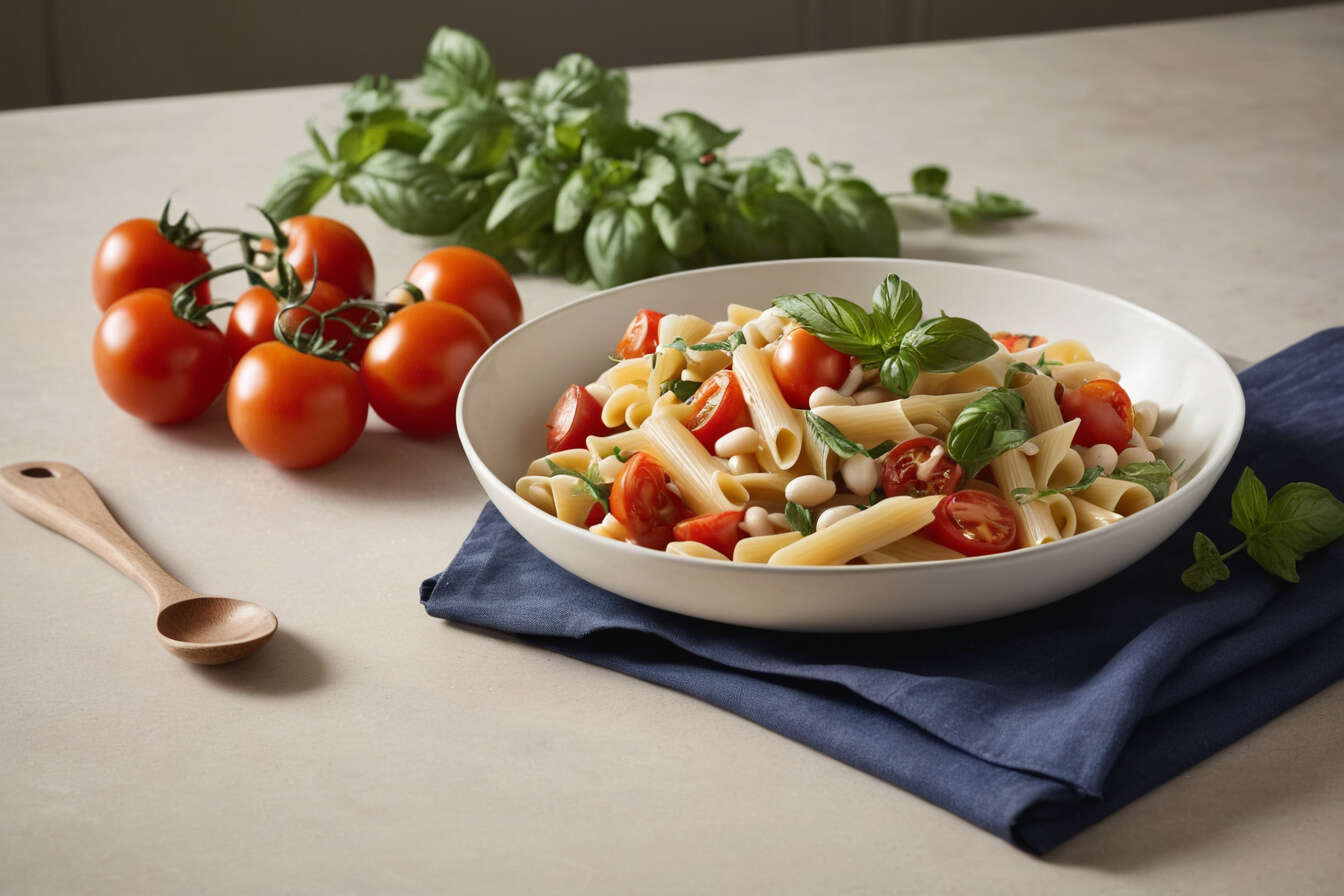
- Menu ideas include veggie-rich chili with beans, lentil loaf, stuffed peppers, and whole-grain pasta with vegetable sauces for balance and appeal.
- Involve kids in choosing foods, cooking steps, and simple prep to build healthy habits and ownership.
- Offer a mix of iron-rich plant foods and vitamin C sources to aid absorption at meals, such as peppers with lentils or citrus alongside greens.
FAQ
Common questions about vegan vs. vegetarian differences
Vegans exclude all animal products, including dairy, eggs, and honey in most cases. Vegetarians avoid meat, poultry, and fish but may include dairy or eggs depending on the subtype.
Choosing between them often hinges on nutrient goals, ethical considerations, and social dining needs. Some people start as ovo-lacto vegetarians and transition to vegan for environmental or ethical reasons.
Durability of nutrient sufficiency and practical tips
With careful planning, plant-based patterns can meet daily needs. Prioritize fortified foods or supplements for B12, and include a mix of protein sources to cover essential amino acids.
Monitor iron, calcium, and vitamin D by pairing iron-rich plants with vitamin C sources to enhance absorption. Keep variety in your protein choices to reduce gaps and maintain interest in meals.
Industry trends and evolving guidelines
Guidelines increasingly emphasize whole foods and minimally processed options. Plant-forward approaches are gaining traction in nutrition research and clinical practice for chronic disease prevention.
Labels and certifications are evolving to reduce ambiguity around plant-based products. Look for clearer definitions to compare options confidently.
Conclusion
Choosing your plant-based path with confidence
Your plant-based journey is personal and practical. Start by clarifying your primary goals, whether heart health, weight management, or ethical considerations, and pick a pattern that supports those aims without feeling restrictive.
Prioritize real foods first. Build meals around vegetables, legumes, whole grains, and fruits, then layer in fortified staples as needed. Notice how different patterns influence energy, mood, and daily performance to guide adjustments.
Next steps and resources for deeper learning
- Experiment with a baseline week of whole-food plant-based meals to observe energy and digestion changes.
- Identify one nutrient to monitor and plan a simple strategy to meet it through fortified foods or targeted supplements.
- Explore reputable guides and classic studies for practical meal ideas and nutritional guidance.
References
- The Beginner’s Guide to a Whole-Food, Plant-Based Diet
- The Safe and Effective Use of Plant-Based Diets with Guidelines …
- The Vegan Diet — A Complete Guide for Beginners
- Vegan, vegetarian and plant-based – what are the differences?
- What are complete guides to veganism with raw eating and cooking …