

Non-Veg Essentials: A Modern Guide to Meat, Poultry, and Fish
Table of Contents
- 1. Beef Mastery: The Modern Cut Guide
- 2. Poultry Perfection: Techniques for Moisture and Flavor
- 3. Salmon and Sea Bass: Gentle Handling and Finishing Techniques
- 4. Lamb, Venison, and Game Meats: Distinctive Profiles and Pairings
- 5. Seafood Sustainability and Sourcing: Smart Choices for Professionals
- 6. Culinary Tools and Techniques for Meats, Poultry, and Fish
- 7. Safe Handling, Storage, and Food Safety for Meats and Fish
- FAQ
- Conclusion
1. Beef Mastery: The Modern Cut Guide
Beef quality starts with cuts and how you plan to use them. Understanding cuts helps you pick the right texture, flavor, and cooking method for any dish. This section breaks down prime cuts, how to choose them, and the best methods to maximize flavor and tenderness.
Understanding prime cuts and their applications
Prime cuts vary in tenderness, fat distribution, and moisture. For example, a ribeye relies on marbling for juiciness, while a filet delivers lean tenderness with a subtler beef character. Use this guide to pair cuts with cooking styles you actually use at home.
| Cut | Typical use | What to expect |
|---|---|---|
| Ribeye | Grilling, pan-searing | Rich marbling, juicy bite |
| New York Strip | Hot sear, roast | Balanced texture and beefy flavor |
| Filet Mignon | Searing, quick roast | Very tender, mild sweetness |
| Chuck | Slow braise, stews | Deep beefiness, becomes tender with time |
| Short Loin | Steaks, roast beef | Tender, with pronounced beef notes |
Selecting quality beef for flavor and tenderness
Look for firm texture, even marbling, and bright red color. A thin fat cap around the edge aids moisture retention during cooking. Check for a clean aroma and a slight, not sticky, sheen of surface moisture when you press the meat.
Best cooking methods by cut
- Tender cuts (ribeye, strip, filet): high heat methods such as grilling or pan-searing; rest briefly to reabsorb juices.
- Moderately tender cuts (sirloin, flank): quick sear then finish with moderate heat or brief roasting; slice thin against the grain.
- Harder cuts (brisket, chuck): low and slow like braising or smoking for maximum tenderness; finish with a bright glaze to lift flavor.
2. Poultry Perfection: Techniques for Moisture and Flavor
Poultry rewards careful handling with moisture retention and balanced flavor. The right technique depends on the cut, preparation time, and desired texture. This section outlines core methods to maximize juiciness and taste.
Brining, dry rubs, and bracing for juiciness
Brining adds moisture and can season evenly, especially for larger birds. For a 4 to 6 pound bird, aim for 4 to 6 hours; larger birds respond better to 12 to 24 hours. Dry rubs build a flavorful crust without soggy interiors. Apply rub evenly and let it sit for 30 minutes to 2 hours before cooking. Bracing, or resting seasoned poultry under weight, helps render fat uniformly and improves bite. Place a plate or rack over the meat and rest for 15 to 30 minutes after cooking to finish juice redistribution.
- Brine duration matters: longer brines for larger cuts, shorter for smaller ones.
- Use a balanced rub with salt, herbs, and aromatics for baked or roasted outcomes.
- Rest after cooking to let juices redistribute and avoid dryness.
Skin-on vs skin-off strategies
Skin on generally yields better moisture retention and texture. For crisp skin, finish with a 425F to 450F (220C to 230C) blast for 6 to 8 minutes or broil in the final minutes. Skin off speeds heat transfer or helps render fat quickly in certain sauces. If you remove skin, compensate with extra baste or a glaze to maintain moisture.
Roasting, grilling, and pan-searing playbooks
Choose a method that fits the cut and schedule. Roasting works well for whole birds and larger portions, grilling adds smoky notes, and pan-searing creates a crust on thighs or breasts. For uniform doneness, use a meat thermometer: target 165F (74C) at the thickest part for safety, then rest 5 to 10 minutes before carving.
| Method | Best for | Key tip |
|---|---|---|
| Roasting | Whole birds, thighs | Start high, finish low to ensure even cook |
| Grilling | Breasts, drumsticks | Direct heat with occasional indirect heat for management |
| Pan-searing | Breasts, fillets | Preheat pan, use light oil for crisp surface |
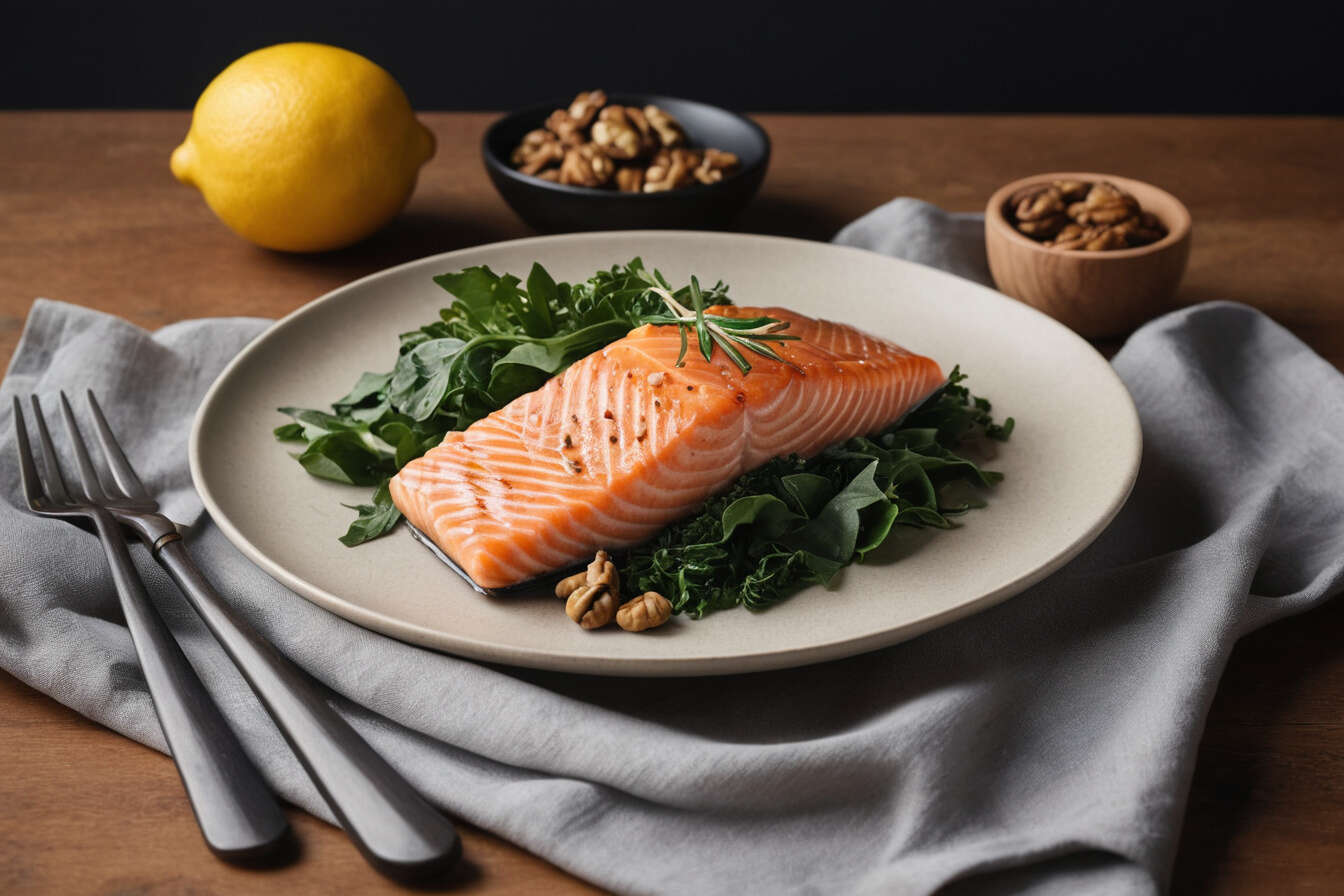
3. Salmon and Sea Bass: Gentle Handling and Finishing Techniques
Salmon and sea bass reward careful handling from purchase to plate. The goal is to preserve moisture, maintain texture, and enhance natural flavors with minimal interference.
Choosing fresh fish and understanding freshness signals
Look for firm flesh that springs back when touched and bright, translucent skin. The gills should be moist, not dry, and the aroma should be mild, not fishy. When in doubt, opt for fillets with a clean cut and minimal discoloration. For a quick test, gently press a thumb near the tail; good fish leaves a slight indentation that disappears quickly.
- Avoid dull sheen on skin or any oozing liquids in packaging.
- Check for evenly distributed fat lines, especially in salmon, which indicate richness.
- Sea bass should feel slightly firmer than oily fish but still yield to a gentle press.
Crisp skin methods and delicate filleting
To get crisp skin without overcooking the flesh, pat dry and season just before hitting heat. Start skin-side down on medium heat until the skin is deeply browned, then finish with a gentle finish in the oven if needed. A light brush of oil with a pinch of salt helps even browning.
- For fillets, use a sharp knife to remove pin bones before cooking.
- Keep fillets refrigerated until a short window before cooking to maintain texture.
- Let cooked fish rest briefly to redistribute moisture.
Flavor balancing with citrus, herbs, and fats
Bright acidity from citrus complements the richness of salmon, while sea bass benefits from gentler herb finishes. Finish with a touch of fat to round out flavors without masking tenderness. For Bella Kent readers, a tablespoon of browned butter or olive oil drizzle elevates the finish without overpowering the fish.
- Salmon tip: add a splash of citrus juice near the end to brighten the glaze.
- Sea bass pairs well with light herb oils and a splash of white wine reduction.
| Fish | Finish Idea | Best Pairings |
|---|---|---|
| Salmon | Citrus and dill with a light butter glaze | Lemon, orange zest, tarragon |
| Sea bass | Herb oil and white wine reduction | Parsley, thyme, fennel |
4. Lamb, Venison, and Game Meats: Distinctive Profiles and Pairings
Game meats offer bold, nuanced flavors that reward restrained seasoning and precise cooking. They respond to careful herb selection and timely handling to preserve tenderness.
Seasoning fundamentals for intense flavors
Seasonings should enhance the meat without masking its natural character. Favor earthy herbs and balanced salinity to support gamey notes.
- Pairings: rosemary, juniper, thyme, black pepper
- Moderate salt to prevent an overly dry crust
- Acidic elements like red wine or vinegar to brighten depth
Cooking temperatures and resting guidelines
Game meats benefit from attentive control to stay juicy. Aim for internal temperatures aligned with the cut and finish with a short rest to redistribute moisture.
- Lamb: 130-135°F (mid-rare) to 140°F (medium)
- Venison: 125-135°F for rare to medium-rare
- Rest: 5-10 minutes after removal from heat
Complementary sides and sauces
Robust accompaniments, roasted roots, mushroom pan sauces, and wine-based reductions, complement the depth of game meats without overpowering their character.
5. Seafood Sustainability and Sourcing: Smart Choices for Professionals
Eco-conscious sourcing guidelines
Professional kitchens should prioritize species and fisheries with documented sustainability practices. Favor suppliers that provide traceability from ocean to plate, and look for certifications or third party audits that verify responsible harvesting.
- Ask for origin data, seasonality, and harvest method details with every lot. For example, request a harvest metric and gear type for each shipment so you can compare methods across orders.
- Prefer seafood from well managed stocks and low bycatch risk. When in doubt, choose species with robust rebuilding plans and finite catch limits supported by independent bodies.
- Record lot numbers to enable efficient recalls if needed. Maintain a simple log linked to supplier invoices and use it to trace every plate back to its source.
Labeling, freshness cues, and storage
Clear labeling helps staff track freshness and sourcing claims. Freshness signals depend on species but typically include color, texture, and aroma. Proper storage preserves quality and minimizes waste.
- Label content should cover species, catch method, country of origin, and harvest date. Add a best by window for fast moving items.
- Store on ice or at controlled temperatures to maintain firmness and brightness. Use a dedicated thermometer and log temps twice daily.
- Implement FIFO to ensure older lots move to prep first. Run weekly spot checks to confirm correct rotation.
Responsible procurement for restaurants and brands
Approach procurement as a system. Build relationships with trusted suppliers, audit routines, and set internal standards for what constitutes acceptable stock. Balance cost with long term supply stability and reputational risk.
- Develop a sourcing policy that favors transparency and verified sustainability claims. Tie policy specifics to measurable metrics like stock replenishment lead times and audit results.
- Rotate suppliers to reduce risk and encourage continuous improvement. Schedule quarterly reviews to reassess certifications and performance.
- Train staff to recognize legitimate certifications and to question vague labels. Provide quick reference cards for common eco labels used by Bella Kent partners.
6. Culinary Tools and Techniques for Meats, Poultry, and Fish
Thermal tools: thermometers, sous vide, and heat sources
Precise heat drives consistent doneness. Use an instant-read thermometer for quick checks on surface thickness, and a probe thermometer for long cooks. Sous vide delivers reproducible results, especially for tougher cuts, with minimal attention.
- Instant-read thermometers: quick checks on thick cuts to confirm target zones.
- Probe thermometers: monitor internal temps over time without opening the oven or grill.
- Sous vide: set exact target temps, then finish with a hot sear for crust and texture.
Moisture management and fat rendering
Juiciness comes from retaining moisture and controlling fat behavior. Pat the surface dry before searing to form a crust, then rest to redistribute juices. Rendered fat can baste the exterior, enriching flavor without diluting the interior.
- Pat dry, then start with high heat to form a crust.
- Render fat in a hot pan to baste as the meat sears.
- Let meat rest 5, 10 minutes to equalize moisture and relax fibers.
Texture improvement through emulsions and reductions
Emulsions stabilize sauces and keep moisture near the surface. Reductions concentrate flavors and create glossy glazes. Combine technique with timing to prevent emulsions from breaking.
- Emulsions: stock-based hollandaise or beurre monté for a light gloss.
- Reductions: simmer to intensify umami and thickness before finishing.
- Finish with glaze at the end to preserve texture and shine.
7. Safe Handling, Storage, and Food Safety for Meats and Fish
Storage hierarchies and shelf-life management
Organize your fridge so meats and fish sit on the bottom shelf, preventing drips onto ready-to-eat foods. Label items with purchase dates and map out meals for the week to reduce waste and maintain quality.
- Store raw items on sealed trays or in closed containers to catch drips and minimize contact.
- Keep seafood at or below 40°F (4°C) and use within 1, 2 days of purchase to avoid spoilage.
- Apply a first in, first out rotation to move older items to the front.
Cross-contamination prevention
Separate raw proteins from produce and ready-to-eat foods. Clean and sanitize surfaces after each use to maintain kitchen hygiene.
- Use dedicated cutting boards for meat, poultry, and fish and label them clearly.
- Wash knives and countertops with hot, soapy water after handling raw products, then sanitize with a dilute bleach solution or spray sanitizer.
- Store marinades and raw juices in sealed containers away from other ingredients to prevent leakage.
Cooking temps and internal safety targets
Target temperatures vary by cut and doneness. Verify with a reliable thermometer and let foods rest to finish carryover cooking for optimal safety and texture.
- Measure in the thickest part of the cut for accurate readings, not near bone or fat.
- Follow guideline ranges for different proteins, adjusting for thickness and equipment like convection ovens.
- Link resting time to final internal temperature to ensure pathogens are inactivated and juices reabsorb for moisture.
FAQ
Here are concise answers to common questions about non-vegetarian eating patterns, labeling, and nutrition. These answers aim to be practical for professional kitchens and home cooks alike.
- What does plant-based diet mean in practice? It focuses on plant foods while allowing occasional animal products. Examples: a veggie stir fry with eggs, or a dinner built around beans and quinoa with a small portion of fish. Bella Kent suggests starting with two plant-based meals per week and tracking how meals shift in energy and digestion.
- How reliable are meat substitutes? They mimic texture and taste, but ingredients vary. Check labels for sugars, sodium, and fortified nutrients. If you rely on substitutes, pair them with real foods like lentil salads or tempeh bowls to balance protein and micronutrients.
- Do labeling terms indicate healthiness? Not automatically. Read nutrition panels, ingredient lists, and allergen statements. Compare fiber, protein, and saturated fat across brands rather than trusting claims alone.
- Which nutrients deserve attention on a non-veg focused diet? Prioritize protein quality, iron, B12, calcium, and omega-3 fats. Plan meals with varied sources such as eggs, dairy, lean meats, and fatty fish, aiming for at least 25, 30 grams of protein per main meal.
- How should I approach seafood sustainability? Favor transparent sourcing, certifications, and freshness cues. Look for line-caught or MSC-certified options and store seafood properly to maintain quality.
| Topic | Practical takeaway | Common pitfall |
|---|---|---|
| Label literacy | Read nutrition panels and ingredient lists carefully | Assuming all labeled claims are fully accurate |
| Protein planning | Combine varied protein sources across meals | Reliance on a single protein type |
| Sustainability | Choose products with clear sourcing information | Overlooking certifications |
Conclusion
Non-veg cooking today blends tradition with precision. You gain clearer guidance on label reading, sourcing, and technique, helping every choice support flavor and nutrition.
Key takeaways to carry forward:
- Know your labels: differentiate meat options from conventional proteins and read ingredient lists for additives.
- Balance nutrition: combine diverse protein sources and pay attention to iron, B12, calcium, and omega-3 intake.
- Source thoughtfully: favor transparent supply chains and certifications when available to align with sustainability goals.
Practical practice changes can elevate daily meals and menu planning. Start with a simple audit of your current protein choices, note where you can improve variety, and map out a week of meals that incorporate at least two non-animal options alongside traditional proteins. This approach keeps meals interesting and nutritionally complete without sacrificing flavor.
References
- Foods for Plant-Based Diets: Challenges and Innovations – PMC
- The Essential Good Food Guide: The Complete Resource …
- Becoming a vegetarian
- Keep your meat, poultry, and fish safe and fresh for as long …
- Eating Non-Veg For The First Time But With a Twist #chicken …