

- The guide outlines a practical, plant-centered vegan eating plan with staples from produce, whole grains, legumes, nuts, seeds, plant-based proteins, and fortified substitutes.
- It emphasizes balanced plates, nutrient variety, and mindful strategies for nutrient absorption (iron, calcium, B12, D) using fortified foods or supplements as needed.
- Practical tips cover meal planning, cooking methods, and hydration, plus a concise FAQ addressing common vegan nutrition questions.
Table of Contents
Introduction
What this list covers
We present a fresh, practical food list that centers on plants. You’ll find staples from vegetables and grains to beans, nuts, seeds, and fortified substitutes. The aim is a balanced, nutrient-dense vegan pattern that fits real life.
Key sources we rely on describe vegan diet basics and plant-based nutrition guidance, including how to build meals from plant foods while avoiding animal products. This section focuses on actionable planning rather than promotional language.
How to use this guide for planning vegan meals
Think of this as a building block kit. Start with a base of vegetables and grains, then add protein and fats to reach balance.
- Aim for variety across colors and textures to ensure a broad nutrient mix.
- Pair iron-rich foods with vitamin C sources to support absorption.
- Include fortified foods or supplements when needed to cover nutrients like vitamin B12 and vitamin D.
Use the sections ahead as checklists for grocery shopping or meal planning. Each group helps you assemble plates that align with a balanced diet and daily intake guidelines.
1. Fresh Produce Staples
Leafy greens and cruciferous vegetables
Leafy greens are a cornerstone of vegan plates, delivering fiber and micronutrients with varied flavor and texture.
- Sautéed spinach, kale, and chard work well as quick sides or mix-ins.
- Cruciferous options like broccoli, cauliflower, and cabbage add bulk and structure to meals.
- Mix raw and lightly cooked greens to preserve nutrients and color.
Seasonal fruits
Seasonal fruits contribute natural sweetness, vitamins, and antioxidants that pair well with grains, nuts, and plant milks.
- Choose a range of colors to maximize phytonutrients.
- Keep ready-to-eat options on hand for snacks and desserts.
- Incorporate fruit into savory dishes for balance.
Root vegetables and squashes
Root vegetables and squashes offer lasting energy and comforting textures, adaptable across cooking methods.
- Carrots, potatoes, sweet potatoes, and beets roast well with herbs.
- Winter squash, zucchini, and pumpkin add sweetness and depth to soups and stews.
- Store in a cool, dry place to extend shelf life and reduce waste.
2. Whole Grains You Can Rely On
Brown rice and basmati
Brown rice provides fiber and steady energy, making it a reliable base for meals. It pairs well with beans, vegetables, and sauces.
- Choose wholegrain brown rice for extra nutrients and slower digestion.
- Basmati adds aroma and lighter texture to pilafs and bowls.
- Cook in larger batches and store refrigerated for quick meals.
Quinoa and millet
Quinoa and millet offer satisfying textures and plant-based protein. They cook quickly and adapt to many flavor profiles.
- Rinse quinoa before cooking to remove bitterness from coating saponin.
- Millet brings a delicate, slightly nutty taste to soups and salads.
- Both are versatile substitutes for rice in bowls and stews.
Oats and barley
Oats and barley deliver fiber, beta-glucans, and heart-friendly benefits. They work across breakfast and savory dishes.
- Steel-cut or rolled oats form hearty porridge bases or grain bowls.
- Barley adds chew and depth to soups, stews, and risottos.
- Combine with legumes or nuts for balanced meals.
3. Legumes, Beans, and Pulses
Lentils and chickpeas
Lentils and chickpeas bring protein and fiber to meals, with quick cooking times that fit busy days.
- Lentils come in green, brown, and red varieties with distinct textures.
- Chickpeas offer a hearty bite and creaminess when mashed or blended.
- Use them in stews, curries, salads, and dips to build satisfying plates.
Black beans, kidney beans, and beyond
Beyond the basics, other beans diversify textures and micronutrient profiles.
- Black beans work well in bowls, salsas, and plant-based patties.
- Kidney beans suit chili and hearty stews.
- Explore pinto, navy, fava, and cannellini for varying flavors and uses.
How to soak, cook, and store
Proper prep saves time and improves digestibility. Soaking and cooking times vary by bean type.
- Soak times: overnight for most dried beans or use a quick soak method.
- Rinse thoroughly before cooking to reduce impurities and improve texture.
- Store cooked beans in airtight containers for several days or freeze for longer shelf life.
4. Nuts, Seeds, and Nut Butters
Almonds, walnuts, and pecans
Nuts add protein, healthy fats, and texture to vegan meals. They’re portable for snacks and can enrich dishes with crunch.
- Almonds pair well with yogurt, oats, and salads, offering a mild, versatile flavor.
- Walnuts bring omega-3 fats and work nicely in baking, bowls, and savory dishes.
- Pecans contribute sweetness to both savory plates and desserts.
Chia, flax, hemp, and sesame
Seeds deliver fiber, minerals, and plant-based protein. They help thicken sauces and add body to puddings.
- Chia and flax can thicken smoothies, puddings, or serve as egg substitutes in baking.
- Hemp seeds provide protein without dominating taste.
- Sesame seeds add a nutty note to stir-fries and sesame paste lends creaminess.
Using nut butters in meals
Nut butters intensify flavor and lend creaminess. Use them to enrich sauces, dressings, or spreads.
- Spread on wholegrain toast with sliced fruit for balanced snacks.
- Stir into sauces or dressings to add depth and richness.
- Blend into smoothies or oats for velvety texture and extra calories.
5. Plant-Based Proteins
Tofu and tempeh
Tofu and tempeh provide versatile protein options that absorb flavors well and support balanced vegan meals.
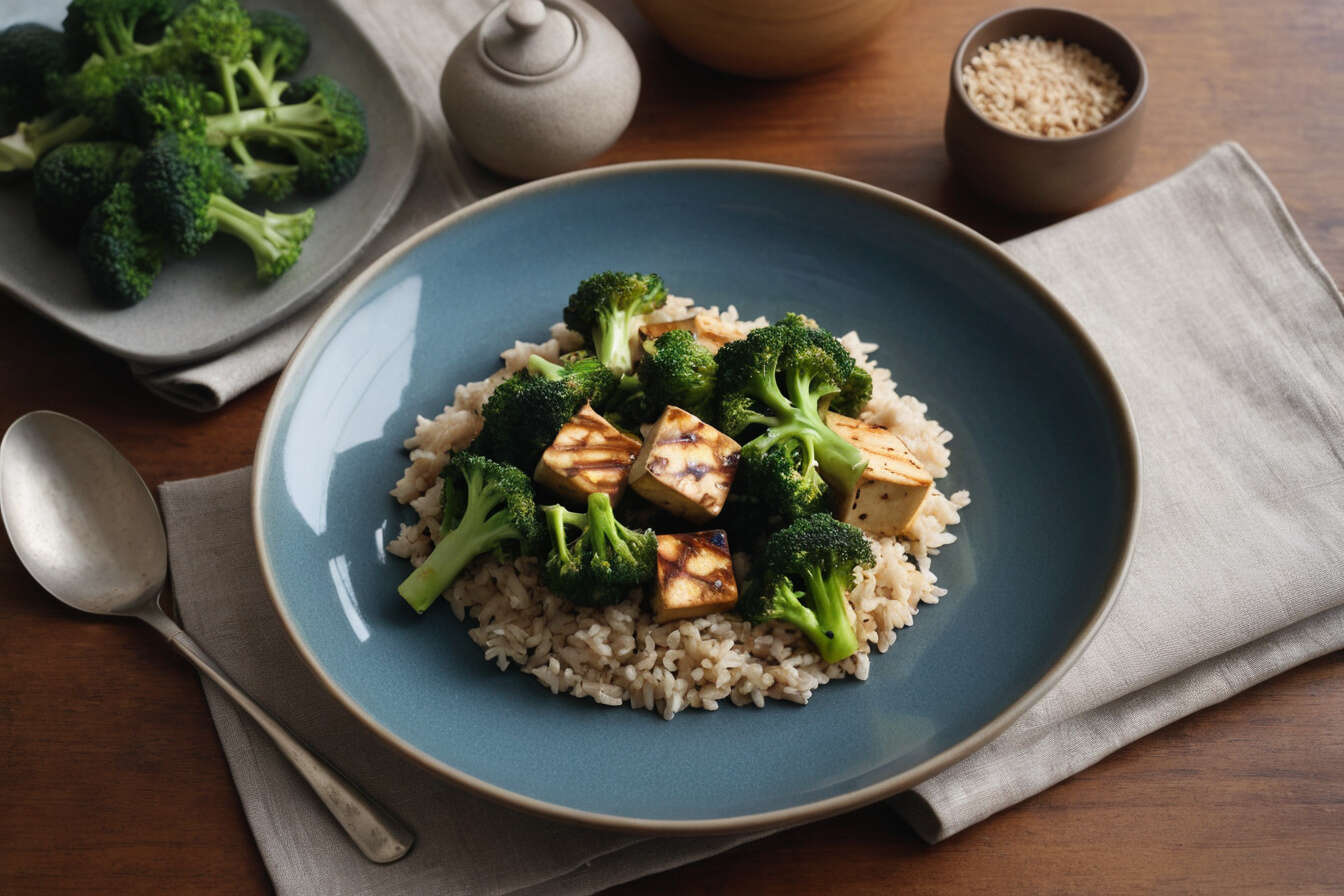
- Tofu ranges from silken to extra firm, suitable for smoothies, stir-fries, and grilling.
- Tempeh has a nuttier flavor and holds up well to slicing and pan frying.
- Marinade and press to improve texture and flavor absorption.
Seitan and other gluten-based options
Seitan delivers a chewy texture reminiscent of meat and fits into many plant-forward dishes. If you have gluten tolerance considerations, choose alternatives accordingly.
- Seitan shines in stews, sandwiches, and grilling.
- Explore soy-based crumbles and other gluten-containing products for variety.
- Combine with vegetables and grains to balance meals.
Edamame and mature soy products
Edamame and other mature soy products contribute complete protein and micronutrients when included in a balanced plan.
- Edamame pods make a quick snack or side dish with a light sprinkle of salt.
- Firm soy products can be pressed and grilled for texture contrast.
- Look for fortified soy milks and yogurts to support calcium and vitamin B12 intake.
6. Dairy Substitutes and Fermented Foods
Fortified plant milks and yogurts
Fortified plant milks and yogurts help replace calcium, vitamin D, and B12 support in a vegan diet. Choose fortified varieties with low added sugar when possible.
- Look for calcium and vitamin D fortification on the label.
- Opt for unsweetened options to keep sugar intake in check.
- Rotate between almond, soy, oat, and coconut bases to vary nutrients and flavors.
Nutritional yeast and fortified cheeses
Nutritional yeast adds a savory, cheesy note while boosting vitamin B12 in many blends. Fortified cheeses mimic dairy flavors with plant bases.
- Sprinkle on popcorn, pasta, or sauces for a dairy-like depth without lactose.
- Choose fortified varieties that list B12 on the label.
- Use in moderation to balance sodium and fat content in meals.
Sauerkraut, kimchi, miso, and tempeh-based flavors
Fermented foods support gut health and bring tangy, umami notes. They also provide sensory variety to plant-based plates.
- Sauerkraut and kimchi offer probiotics and crisp textures for bowls and sandwiches.
- Miso adds depth to soups and dressings with minimal processing.
- Tempeh-based flavorings blend well into stir-fries and sauces, enriching protein profiles.
7. Healthy Fats and Oils
Olive oil, avocado oil, and others
Healthy fats aid nutrient absorption and provide lasting energy. Favor unrefined or cold pressed varieties when possible.
- Extra virgin olive oil remains a versatile base for dressings, sautés, and finishing dishes.
- Avocado oil offers a neutral flavor and a high smoke point for high-heat cooking.
- Other options like canola, grapeseed, and sesame rotate fats and fatty acid profiles.
Avocados and fatty fruits
Avocados supply monounsaturated fats, adding creaminess and satiety. They also contribute potassium and fiber.
- Spread on wholegrain toast or fold into smoothies and bowls for richness.
- Pair with lime, salt, and chili to top salads and grains.
- Slice or mash as a base for sauces and dips to boost energy density.
Omega-3 rich sources
Plant-based omega-3 fats support heart and brain health. Include a variety of sources to balance intake.
- Hemp, chia, and flaxseeds can be ground or soaked for easy incorporation.
- Walnuts make a convenient snack and crumble well into bowls and baked dishes.
- If access to diverse whole foods is limited, consider algae-based supplements after discussing with a healthcare professional.
FAQ
You want quick, practical clarity on vegan eating. Here are concise answers to common questions you may have as you plan meals.
- Do vegans eat dairy and eggs? No. A vegan diet excludes animal products, including dairy and eggs.
- Where do vegans get protein? From legumes, beans, whole grains, tofu, tempeh, edamame, nuts, seeds, and fortified foods as needed.
- Is a vegan diet automatically healthy? Not by default. Balance matters. Include a variety of fruits, vegetables, grains, and fortified foods or supplements when necessary.
- What about nutrients that are harder to obtain? Vitamin B12 and vitamin D are common concerns. Consider fortified foods or supplements as advised by a healthcare professional.
- How many portions of fruit and vegetables should I aim for? The guidance suggests at least five portions daily, across a variety of colors and types.
- Can vegans eat processed foods? Yes, but choose minimally processed options and watch for high fat, sugar, and salt levels.
- What is the role of fortified foods? Fortified products can help replace nutrients that are less available in plant-based diets, such as calcium, iodine, and vitamin B12.
| Topic | Key Considerations |
|---|---|
| Nutrients | Plan for protein variety, include fortified items when needed, and monitor iron and calcium intake from plant sources. |
| Hydration | Aim for regular fluids; water is best, with herbal teas as options. |
| Diet variety | Rotate produce, grains, and proteins to cover a broad spectrum of micronutrients. |
Conclusion
A vegan diet centers on plants, with vegetables, grains, nuts, and fruits forming the core of everyday meals. Planning matters, and thoughtful choices help ensure you meet all nutrient needs over the week.
Aim for balanced plates that include starches, proteins, and healthy fats at each meal. Prioritize variety across colors and textures to cover micronutrients naturally. Include fortified foods or supplements when needed, especially for vitamin B12 and vitamin D.
Balanced plate building mirrors guidance from health organizations: a mix of fruit and vegetables, whole grains, legumes, and fortified options supports long-term wellness without relying on animal products. Small, consistent adjustments accumulate into a sustainable pattern.
| Balanced Plate Qualities | Practical Approaches |
|---|---|
| Color and variety | Rotate produce weekly; use roasted, fresh, and raw textures. |
| Protein diversity | Combine beans, lentils, soy, and nuts across meals. |
| Fortified options | Include fortified dairy alternatives and consider supplements as needed. |
References
- The vegan diet
- Vegan Diet: Food List, Benefits & Risks
- Vegan Food List: Over 100 Healthy Options For Your Next Grocery Haul
- What does 100% vegan eat?
- Healthy Vegan Foods I Eat Every Week and Why (Grocery list …