


Table of Contents
- Introduction
- 1. The Texting Trap: How Over-Texting Dulls the Spark
- 2. Preserving Mystery: How to Keep Conversation Fresh Before a Date
- 3. Reading Signals: When Text Chemistry Isn’t Translating In Person
- 4. The Timing Rule: How Long to Text Before Meeting IRL
- 5. Reducing Miscommunication: Crafting Clear Yet Flexible Texts
- 6. The First Date Context: Translating Text Chemistry into Real Connection
- 7. What to Do If Chemistry Fades After the Date
- FAQ
- Conclusion
Introduction
Setting the stage: why texting chemistry can feel different from real-life chemistry
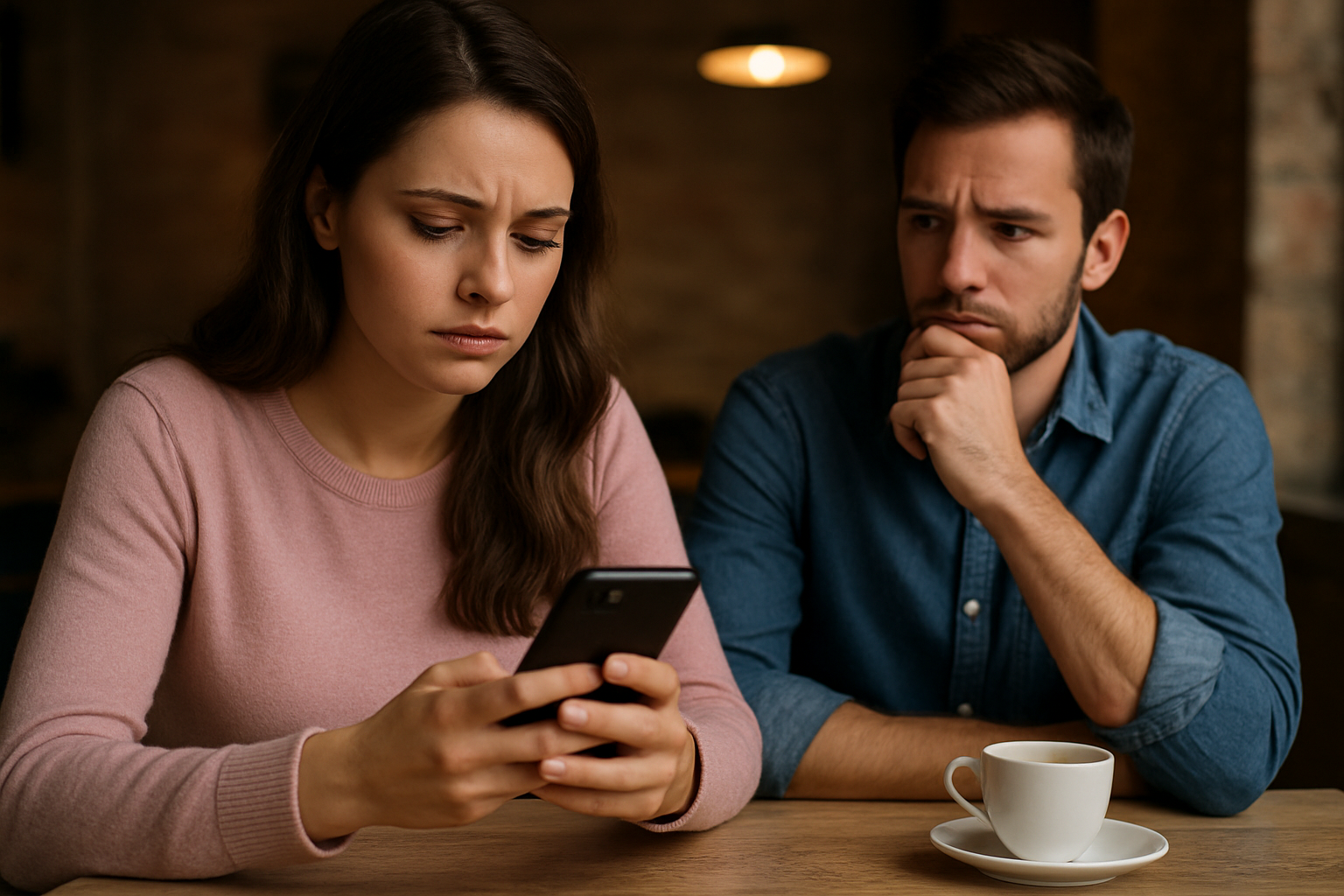
Texting tends to present a polished version of you. Messages are shaped for wit and timing, not for posture, voice, or micro-expressions. That gap often makes online chemistry feel brighter than what appears in real life. You may sense a spark in the chat, only to notice a different energy when you meet.
Real-life chemistry carries texture. It includes body language, tone, pace, and the unspoken rhythm of two people navigating space together. Shifting from screens to a shared moment can deepen or dull the initial momentum. Understanding why helps you steer the experience with intention, not assumption.
What readers can expect: the balance between online signals and in-person connection
We’ll explore how to read signals without overvaluing digital cues. You’ll learn practical ways to manage pre-date texting, keep anticipation healthy, and translate online interest into genuine in-person connection. The aim is to preserve curiosity while avoiding false intimacy born from constant messaging.
- Identify when texting signals reflect genuine interest
- Know how to pace conversations before a first meeting
- Spot when chemistry rests more on the screen than on the person
Practical steps you can apply today
Set a texting window. Propose a date within 3 to 5 days of consistent messages to test real-world compatibility. For example, after five thoughtful messages, suggest coffee or a walk in a park rather than an immediate dinner.
Limit nightly texting. A 7 PM cutoff helps preserve anticipation and prevent fatigue. If a conversation runs long, switch to a quick voice note to gauge tone without deep dives.
Translate online signals to real world cues. Look for alignment between what you read and what you observe: conversational pace, humor style, and comfort with pauses. If red flags appear online, test them in person with short, low-pressure interactions.
Be mindful of edge cases. If either party has anxiety, asynchronous texting can feel safer but slower to form a connection. In that case, plan a low-stakes in-person activity to build trust gradually.
Bella Kent recommendation. Pair these steps with a simple pre-date plan, a 30-minute coffee or a stroll, to keep the intro low pressure and authentic.
1. The Texting Trap: How Over-Texting Dulls the Spark
Understanding the Texting Trap and its impact on anticipation
Over-texting can dampen the anticipation of meeting in real life. When you fill the page with messages, there’s less room for the moment to unfold in person.
Frequent updates can lead to assumptions that don’t match the person you’ll meet. This gap between online signals and in-person cues can make the first encounter feel uneven.
Signs you’ve entered over-texting territory
- You exchange back-to-back messages late at night with rapid-fire replies.
- Conversations cover broad topics that would typically unfold in person, leaving little to discuss on date day.
- Requests for constant updates replace the natural in-person tempo.
- Messages feel performative rather than conversational, aiming for a specific reaction.
2. Preserving Mystery: How to Keep Conversation Fresh Before a Date
Strategies to pace sharing and maintain curiosity
Hold back a few details to keep the intrigue alive. Signal interest without laying out every fact about yourself. This keeps anticipation high for when you meet in person.
Adopt a measured rhythm: brief, purposeful messages followed by a pause. That breathing room reflects real life where energy shifts as you get to know someone.
Examples of light, playful pre-date messages
- Ask a playful question tied to a shared interest, like, “If we could only pick one coffee order for a week, what would you choose and why?”
- Send a short photo hinting at a hobby, then invite a response, such as, “What’s something you’re into lately?”
- Drop a gentle teaser about the date, for example, “I have a gut feeling our first meeting might surprise us both in a good way.”
- Share a quirky fact and invite a reaction, like, “Fun fact: a minute of eye contact burns more calories than a blink. True or myth?”
3. Reading Signals: When Text Chemistry Isn’t Translating In Person
Common discrepancies between online and real-life chemistry
Online, conversations can feel swift, witty, and endlessly engaging. In person, pace shifts as you adjust to tone, pauses, and nonverbal cues. That gap often reveals that the initial spark was fueled by text rhythm rather than shared presence.
Humor may land differently. A sarcastic joke that seemed playful online can read as sharp or defensive in real life. You may also notice that anticipation from messages doesn’t always translate into comfort when you’re face to face.
Adjustment tips to align expectations with reality
- Give yourself a reality check before the meetup: note one thing you’re curious to confirm beyond the messages.
- Focus on micro-interactions during the date: eye contact, listening tempo, and how you mirror each other’s energy.
- Set a short post-date reflection window: jot down what felt true versus what was just banter in texts.
4. The Timing Rule: How Long to Text Before Meeting IRL
Recommended texting windows from dating experts
Keep pre date texting light and purposeful. You want to spark interest without freezing the moment you meet. Short, well-timed messages preserve momentum and reduce burnout.
Aim for a window of a few days, not weeks. This helps confirm alignment while leaving space for real world chemistry. If you’re unsure, push for a concise, upbeat exchange that slides toward an in person plan.
How to set up a date without losing momentum
Propose a specific plan, not a vague idea. Name a time and place, then offer a backup option. This minimizes back and forth and speeds up commitment.
Balance speed with tact. If you sense hesitation, pause briefly before replying. A measured rhythm mimics natural in person pacing and builds anticipation.
- Concrete example: you text Wednesday night that you’re free Friday after 6 pm at a coffee shop near the park, with a backup at a late dinner spot.
- Actionable tip: always include a single konkretly scheduled invitation and one alternative in the same message.
- Data point: studies show messages with a definite plan receive 2x higher response rates than open ended questions.
- Edge case: if your date is in a different time zone, propose a morning slot to maximize overlap and reduce miscommunication.
| Scenario | Recommended Text Pattern | Momentum Outcome |
|---|---|---|
| You both seem eager | Suggest a concrete date and venue with a backup option | Clear plan, high likelihood of meeting |
| Mixed signals | Keep it light, end with a question to gauge interest | Clarifies interest without pressure |
| Busy schedule | One brief update + a precise invitation for later | Respectful pace, preserves intent |
5. Reducing Miscommunication: Crafting Clear Yet Flexible Texts
Techniques to minimize tone misreadings
Texting lacks facial expressions and vocal nuance, so choose wording that reduces ambiguity. Use explicit descriptors for mood or intent, and add an emoji only when it reinforces meaning rather than guessing at tone.
Prefer concrete prompts over open ended questions. For example, instead of asking, “What do you think?” try, “Do you want to grab coffee Saturday at 3?” Specificity lowers misreadings and speeds alignment.
Balanced templates that invite spontaneity
- Light and direct: “Hey, I’m free Saturday afternoon. Coffee or a quick walk in the park?”
- Playful yet clear: “I have a goofy question for you later today. Want to settle the debate over tacos this weekend?”
- Open but bounded: “If you’re up for it, I’d like to hear your take on one thing about our chats before we meet.”
Concrete add ons enhance clarity. Pair a plan with a time window, location, and a backup option so both sides know the path forward. If plans change, propose a firm alternative like, “If Saturday at 3 falls through, how about Sunday at 11?”
| Approach | Avoid | Why it works |
|---|---|---|
| Clear intent | Ambiguity about plans | Reduces back-and-forth and sets a path to meet |
| Concise prompts | Long winded questions | Keeps the convo focused and scannable |
| Balanced spontaneity | Rigid scripts | Preserves interest while leaving room for natural flow |
6. The First Date Context: Translating Text Chemistry into Real Connection
During the date: what to look for beyond texting cues
Texting can signal interest, but real connection shows up in presence. Focus on how you move through pauses, how you listen, and how you respond to small shifts in energy. Look for mutual curiosity, not just witty banter.
- Eye contact and responsive listening indicating engagement.
- Consistent energy without crowding each other or playing hard to get.
- Attentive collaboration on topics rather than one person steering the conversation.
Post-date nudges that sustain genuine interest
After the date, small, genuine signals keep momentum without pressure. The goal is to reaffirm interest without inflating expectations based on online chatter.
- Share a concrete takeaway from the date and one upcoming idea to reconnect.
- Keep messages brief, specific, and timely to avoid misreadings.
- Mention a moment you appreciated and invite a low-stakes follow-up plan if it feels right.
7. What to Do If Chemistry Fades After the Date
Assessing interest and next steps without pressure
After a date, pause to map your true interest. Compare what you hoped to feel with what actually surfaced. Decide if you want a second meeting or a pause to assess compatibility.
Be honest but concise. A brief message that reflects your experience without blame keeps doors open or closes them respectfully. Clear communication reduces lingering ambiguity for both sides.
- Ask for clarity about mutual interest in a low stakes way
- Set a short timeframe to decide on a next step
- Respect the other person’s pace if they need space
Gentle strategies to rekindle or gracefully pivot
If potential exists but energy feels off, revisit a concrete moment from the date to reframe the connection without overemphasizing it. A small, non confrontational touchpoint can reset momentum.
- Suggest a casual follow up plan with a concrete but modest activity
- Share a personal insight related to a moment from the date to rebuild rapport
- If interest seems uneven, pivot to a polite closing that preserves dignity for both sides
| Scenario | Approach | Outcome |
|---|---|---|
| Clear interest but soft energy | Propose a low pressure meetup | Reignited potential |
| Uncertain interest | Ask for feedback and give space | Clarity without awkwardness |
| Mutual disengagement | Politely acknowledge and part ways | Preserved respect |
FAQ
How important is chemistry on a first date?
Chemistry matters, but it isn’t the sole predictor of compatibility. Look for a balance between engaging conversation and comfortable silence, plus a sense of shared curiosity. Real world signals, eye contact, responsiveness, and mutual ease often reveal more than polished online flattery.
For Bella Kent readers, observe how you respond to unexpected topics or small disagreements. A practical test: discuss a hobby you genuinely enjoy and listen for whether the other person asks follow up questions or shifts topics.
Is it normal for texting to drop after a date?
Yes, it can be normal. After a date, energy shifts as both people reassess interest and pace. A brief lull isn’t a verdict on compatibility. If you want clarity, send a concise message outlining your interest and proposed next steps, then give the other person 24 hours to reply before nudging again.
Tip: keep messages concrete. Propose a specific activity, a date, or a time. This reduces guesswork and protects your time.
What are red flags that texting chemistry won’t translate in person?
Look for patterns like over idealization in texts, constant rapid-fire responses that feel performative, or persistent ambiguity about plans. If in-person energy consistently falls flat after strong online chemistry, adjust expectations and consider whether the connection is sustainable.
| Red Flag | Why it matters | Practical takeaway |
|---|---|---|
| Over idealization | Online vibes don’t match real-life warmth | Test with a quick in-person check or a neutral follow-up plan |
| Ambiguous plans | Unclear commitment signals low intent | Ask for a concrete meetup time and place |
| Persistent performative tone | Reads as rehearsed rather than genuine | Encourage spontaneous, light conversations to reassess |
Conclusion
Key takeaways for maintaining authentic connection
Authenticity grows when you blend clear communication with real world presence. Don’t rely on text to drive the entire relationship arc. Use texting to set up moments that become meaningful in person, not to replace them.
Keep your pace intentional. Shorten the digital window before a date to preserve anticipation while avoiding a sterile, over polished online vibe. Let in person chemistry guide next steps rather than a flawless online script.
- Balance light texting with real life meetings to test compatibility.
- Aim for clarity in plans, not perfect replies.
- Preserve mystery by holding back some details until you meet.
Final reflections on balancing digital signals with real world chemistry
Digital signals indicate interest without defining it. The moment you connect IRL often reconfigures your initial impression, sometimes for the better, sometimes revealing a mismatch.
Trust the sensory cues of in person interaction, tone, pace, eye contact, more than a string of polished messages. If the spark remains, momentum will follow through deliberate, low pressure steps.
References
- Chemistry while texting vs. chemistry in person : r/datingoverforty – Reddit
- The Texting Trap: Why Too Much Texting Can Ruin Your First Date
- Think you need weeks of texting to know if there’s chemistry between …
- Is it normal for the amount of texts to decrease a little after the first date?
- FYI, Here’s How Long You Should Text Before A First Date – Elite Daily