


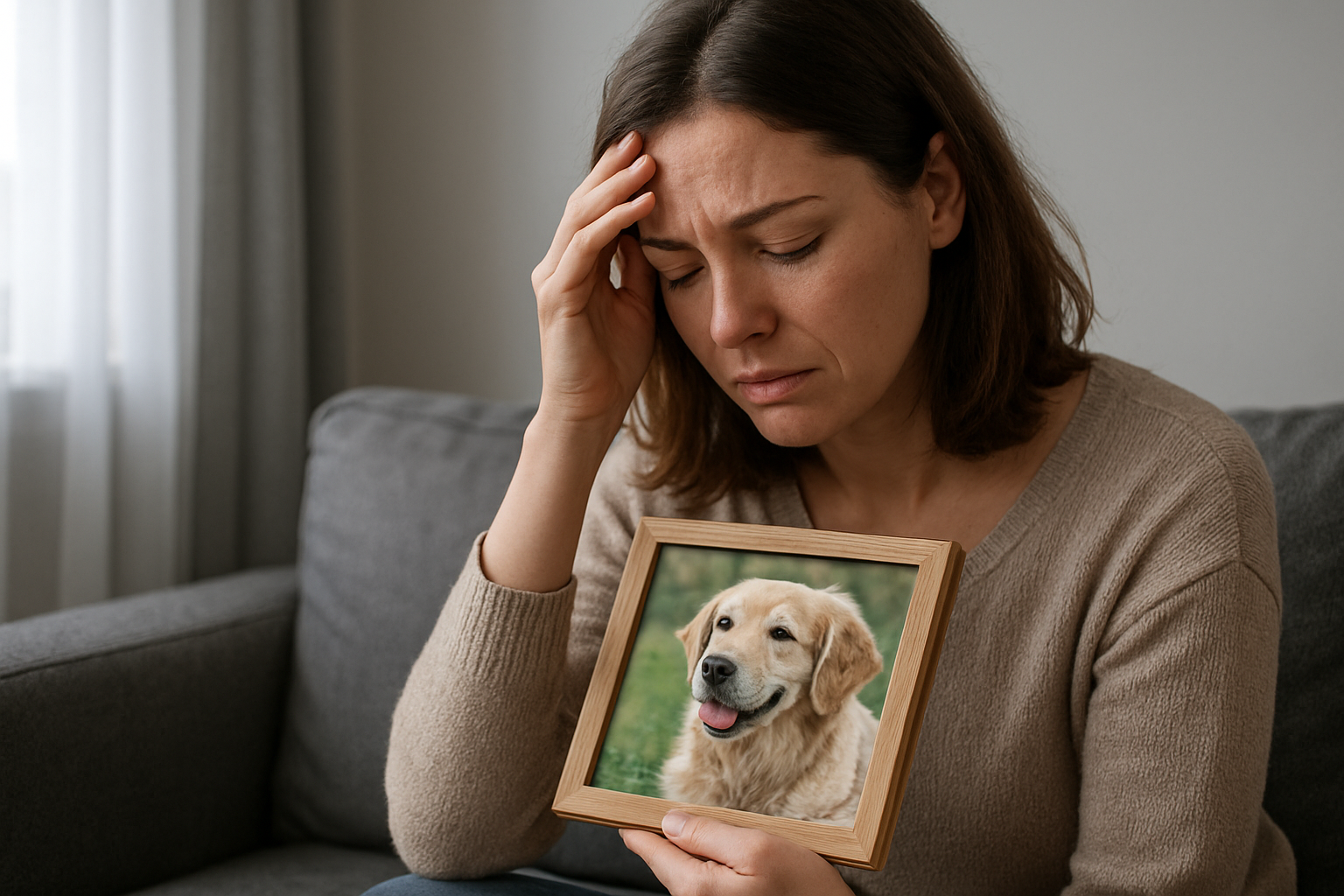
- The content discusses guilt after pet loss, emphasizing that guilt is a normal, transient part of grief rather than a verdict on caregiving.
- It offers practical coping strategies: recognizing guilt, reframing memories with compassion, self-care rituals, and structured supports (journaling, memory keepsakes, boundaries, and support networks).
- Practical sections cover end-of-life decisions, avoiding blame, memorializing rituals, and effective communication with family after loss to reduce self-blame.
- FAQs and a concluding plan encourage grounding in small, consistent routines and memory practices that honor the pet and support healing.
Table of Contents
Introduction
Understanding pet loss guilt
Guilt after a pet dies is a common, complex emotion. You may replay moments, question timing, or wish you could have done more. This guilt reflects the deep care you gave, not a verdict on your actions.
Recognising guilt as a normal part of grief helps you begin the process of self-forgiveness. It isn’t about blame; it’s about moving forward with honesty and compassion.
Why this topic matters for caregivers and pet lovers
Caregivers carry the weight of end of life decisions. The guilt cycle can trap you in what-ifs, affecting daily life long after the loss. Understanding it offers practical ways to ease the burden.
For pet lovers, acknowledging these feelings validates your care. It’s possible to hold sorrow for your loss and responsibility without letting either define you. This section provides grounded, real-world steps to cope.
1. The Anatomy of Guilt in Pet Loss
What guilt after a pet’s end looks like
Guilt often surfaces as a quiet current beneath grief. You may replay choices, question timing, or worry you should have acted differently in hindsight. It can show up as self-criticism, insomnia, or a persistent sense of responsibility for outcomes outside your control.
These feelings rarely reflect a clear verdict of care. Instead, they reveal the human need to make sense of loss and protect what matters most. Recognizing guilt as a normal part of the process helps you observe it without letting it dictate your day.
Common triggers and thought patterns
- Second-guessing decisions related to care, such as treatment choices or timing of euthanasia
- Believing you missed warning signs or could have prevented suffering
- Associating routine routines with what-ifs about the end
- Ruminating on the last moments or conversations you had with your pet
Patterns to watch for include all-or-nothing thinking, personalized guilt that assigns blame to yourself alone, and an assumption that a different course would have changed the outcome. Being aware of these patterns helps you separate emotions from facts and begin a more balanced reflection.
2. When Euthanasia Feels Burdensome
Decisions, timing, and the weight of responsibility
The moment you consider euthanasia, the sense of responsibility can feel overwhelming. You weigh quality of life, pain, and the likelihood of recovery, all while fearing you might misjudge the moment. Clarity often comes from focusing on your pet’s comfort and dignity rather than the perfect outcome.
To cope, name the concrete factors that influenced your choice at the time. Was pain management insufficient, or did advancing illness limit mobility? Acknowledging these aspects helps separate what you could control from what you could not.
Reframing memories with mercy and compassion
End-of-life memories can carry sharp self-judgment. Reframe by recalling the care you provided in the days leading up to the decision. Mercy and compassion are about preserving your pet’s dignity, not erasing hard truths.
Practices that help include:
- Writing a short note about what you did to ease suffering
- Using a neutral timeline to review events without blame
- Speaking aloud to your pet in a quiet moment of closure
3. End-of-Life Moments You Could Have Missed
Recognizing signs without blame
End-of-life signals can be subtle and spread over days. You may notice changes in appetite, sleep, or mobility that hint at comfort thresholds without pinpointing a single cause. The aim is to observe, not assign fault. Ground your reflections in what you did to ease pain and preserve dignity, then let the rest rest with time.
Keep a simple log of symptoms and responses, focusing on patterns rather than isolated moments. This helps you see progress or stabilization, which in turn softens hindsight bias.
Balancing vigilance with well-being
Caregiving can tilt toward constant monitoring, which wears you down. Set practical check-ins for your pet, paired with clear boundaries for rest and self-care. This balance supports better decisions and reduces the risk of burnout when a tougher choice lies ahead.
Practical steps include scheduled activity breaks, delegated caregiving tasks, and short daily reassessments of comfort levels. These routines create steadiness during a vulnerable period, rather than a loop of fixation.
4. Self-Compassion Practices for Caregivers
Guilt as a normal emotion, not a verdict
Guilt arises from the sense that you failed in some way, but it does not define your character or your caregiving. Recognize it as a temporary emotion that can pass, not a judgment you must carry forever. Naming the feeling helps you step back and view the situation more clearly.
Practice suggests that you separate facts from feelings. Note what happened, what was within your control, and what lay outside it. This simple distinction reduces the power of regret and makes room for gentler self-talk.
Practical rituals for healing
- Keep a brief, private journal to capture one concrete action you took each day to ease suffering
- Set a nightly wind-down routine that ends with a short note to your pet in memory
- Schedule a weekly check-in with yourself or a trusted friend to vocalize worries and reframe them
| Ritual | Benefit | When to try |
|---|---|---|
| One-action journal | Tracks care efforts and slows rumination | Daily |
| Memory note | Creates a positive closure anchor | Evening |
| Weekly check-in | External perspective reduces self-blame | Once per week |
5. Communication and Boundaries After Loss
Talking to family and children about death
Discussing a pet’s death with others can be tricky. Use language that matches each person’s level of understanding and comfort. Share what happened honestly while keeping emotions manageable for younger listeners.
Offer a calm, single-explanation approach for kids and provide space for questions. Reassure them that grief is normal and that all feelings are valid, even when adults feel uncertain.
Seeking support without judgment
Support networks matter, especially when guilt or second guessing surfaces. Seek nonjudgmental spaces where you can express fears and regrets openly.
Practical options include trusted friends, a pet loss counsellor, or peer groups. If you use social media, choose moderated spaces that emphasize compassion and understanding rather than critique.
- Set boundaries around conversations that trigger you, such as revisiting the euthanasia decision in heated moments.
- Limit exposure to conversations that blame you, opting for voices that validate your caregiving effort.
- Schedule regular, brief check-ins with family to maintain open lines of communication without overwhelming anyone.
| Source | Focus | Practical tip |
|---|---|---|
| Private conversations | Safe space for honesty | Choose a quiet time and a single topic per talk |
| Support networks | Nonjudgmental encouragement | Identify a trusted person or counsellor |
| Family boundaries | Emotional balance | Set agreed topics and time limits for discussions |
6. Memorializing as a Path to Healing
Creating rituals that honor their life
Rituals transform grief into a steady thread of memory rather than a private ache. Choose simple, repeatable acts that fit your routine and values. A regular candle lighting, an annual photo ceremony, or a quiet walk to a favorite spot can anchor your remembrance without reopening raw wounds.
Small rituals, practiced consistently, give you a practical way to acknowledge loss and celebrate the bond you shared. They provide structure in the early days of bereavement and offer a tangible outlet for your feelings.
Keepsakes and creative expressions
Keepsakes turn emotion into something tangible you can revisit. Photo albums, a paw print impression, or a memory box create a physical space for memories. Creative acts like writing a short letter, planting a tree, or composing a simple tribute poem reframes grief as ongoing care.
Display or store these items where you notice them daily. The goal is to preserve presence, making it easier to visit the memory during tougher moments.
- Choose 1-2 rituals that feel meaningful, then commit to them for 6 weeks
- Set aside a dedicated memory space at home or in a digital album
- Involve family members in choosing keepsakes to honor shared memories
| Ritual or keepsake | Purpose | Suggested cadence |
|---|---|---|
| Candle or photo ceremony | Honor presence and companionship | Monthly |
| Memory box | Centralizes mementos for easy reflection | Ongoing |
| Personal letter or poem | Externalizes feelings into a tangible tribute | As needed |
FAQ
Is it normal to feel guilt after a pet dies?
Yes. Guilt is a common part of bereavement. It often reflects the tension between what happened and your sense of responsibility. See it as a phase, not a verdict on your care.
How long does guilt typically last?
There is no fixed timeline. Guilt typically eases as you process the loss, seek support, and establish routines that honor your pet. If it persists or intensifies, consider speaking with a pet loss counsellor or a support group.
What if I never had a chance to say goodbye?
Missing a farewell can worsen remorse. Focus on the care you provided, the comfort you gave, and the daily attention you offered. You can still create ending rituals now, like a memory moment or a written note, to acknowledge the bond and ease ongoing self judgment.
Conclusion
Summing up coping steps
Guilt after a pet’s end is a common emotion, not a verdict on your care. Ground your approach in practical steps that fit real life. Name the feeling, seek a safe space for honesty, and lean on trusted supports when needed. Build a small routine that reinforces self compassion rather than self blame.
- Acknowledge guilt without letting it define your actions.
- Seek sources of nonjudgmental support, such as a pet loss counsellor or a close confidant.
- Set boundaries around conversations that trigger self blame.
- Create 1 2 healing rituals that honor your bond with your pet.
Moving forward with memory and self kindness
Memory can be a steady companion if paired with kindness. Allow yourself to grieve while choosing how you want to remember your pet each day. Small acts, like a quiet moment of reflection or a simple keepsake, anchor your grief in continuity rather than chaos.
- Develop a personal memory ritual that fits your routine.
- Keep a single accessible keepsake that brings comfort, not stress.
- Share memories with a trusted person to reinforce the care you gave.
References
- It’s been a month and I cannot get past the guilt. : r/Petloss – Reddit
- Coping with pet loss guilt – The Ralph Site
- Dealing with guilt after losing a pet? – Facebook
- Overcoming Guilt After Losing Your Pet | Lap of Love
- Some Reflections On Guilt During Bereavement