


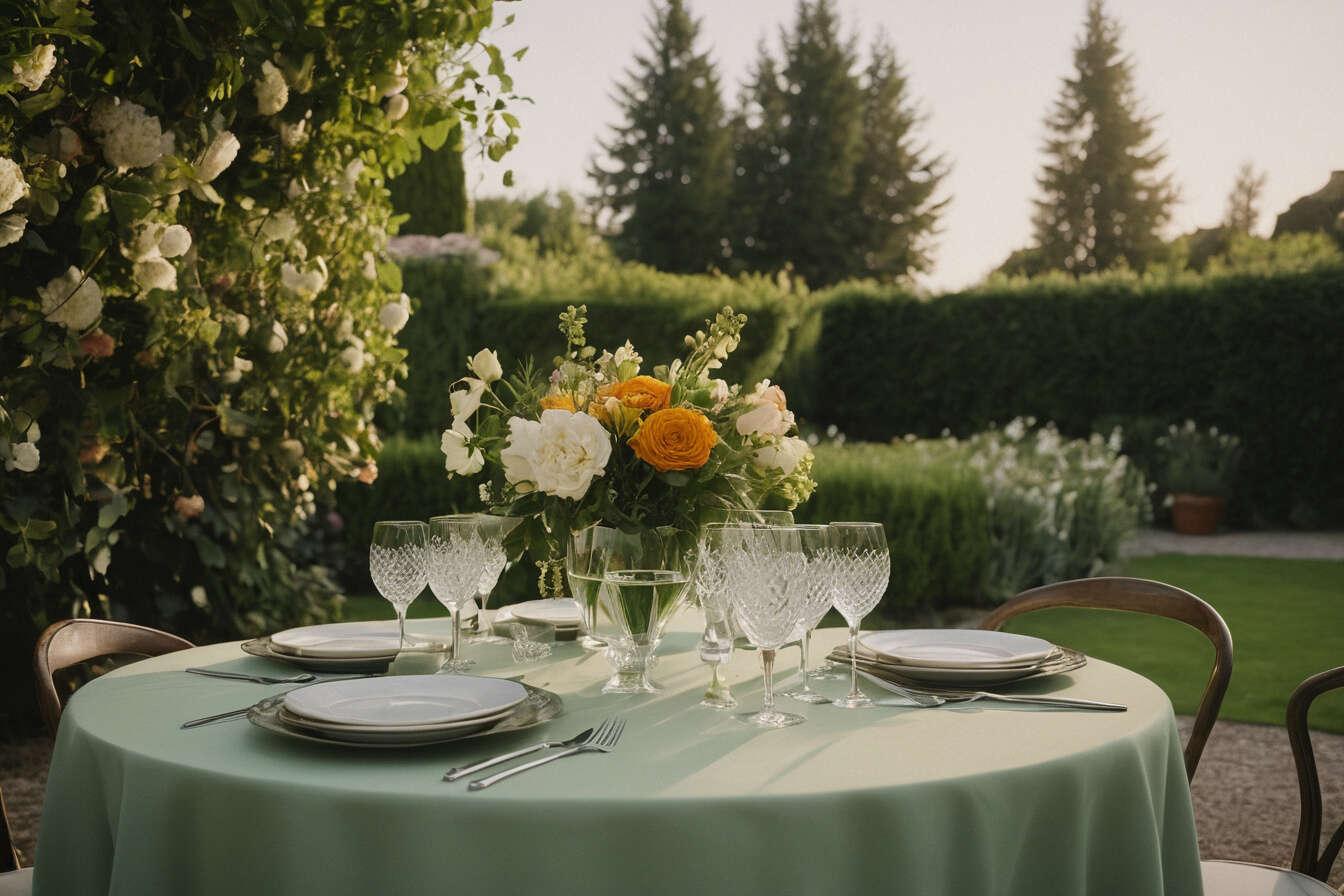
- The content discusses designing child-free weddings with a focus on clarity, respect, and consistent branding across invitations, websites, signage, and social media.
- It covers handling family dynamics, boundary setting, and practical templates (invites, FAQs, timelines) to minimize confusion and pushback.
- Key themes include design-forward messaging, providing alternatives (childcare options, quiet spaces), and a respectful post-wedding narrative.
Table of Contents
- Introduction
- 1. The Rise of Child-Free Weddings: Trends, Data, and Social Signals
- 2. Navigating Family Dynamics: Handling Unreasonable Requests with Grace
- 3. Invitations as Design Language: Communicating Boundaries Through Wording and Etiquette
- 4. Social Media Aesthetics and the Post-Wedding Narrative
- 5. Case Studies: Real-Life Scenarios and Solutions
- 6. Practical Guides for Hosts and Creators: Tools, Templates, and Timelines
- 7. The Ethical Dimension: Why Child-Free Isn’t About Harm, and How to Respect Choices
- FAQ
- Conclusion
Introduction
Context and brand perspective
At Bella Kent, weddings are partnerships of taste and values. We treat child-free events as a deliberate design choice that shapes guest flow, venue setup, and visual storytelling. Our stance emphasizes clarity, care, and respect for each couple’s boundaries.
Family dynamics run deep, and decisions about children at weddings can evoke emotion and logistics. The aim is a celebration that feels intentional while balancing practical realities for guests and hosts alike. Consider how room layouts, service pacing, and activity options align with that choice.
Why this topic matters in design-forward living
Design-forward living ties aesthetics to purpose. A child-free format should resonate in invitations, seating plans, signage, and branding so the choice reads as coherent and respectful.
Thoughtful language and consistent visuals communicate values to your community. Clear cues reduce friction, helping guests understand expectations and enjoy the event without second-guessing.
- Set firm, courteous invitations outlining expectations to prevent confusion
- Use consistent typography and color to reinforce the couple’s story
- Plan activity zones and quiet spaces to accommodate adults and accommodate different needs
1. The Rise of Child-Free Weddings: Trends, Data, and Social Signals
Historical shift in wedding norms
Over the past decade, couples increasingly move away from the traditional all-ages guest list. The shift stems from planning practicality, venue constraints, and a emphasis on an adult-focused celebration. Designers and planners are adapting by crafting spaces that prioritize grown attendees, with seating, pacing, and activities aligned to an adult audience.
This shift also reflects evolving definitions of family and community. Many couples view child-free formats as a way to honor their vision while reducing logistical complexities tied to younger guests. The result is a more intentional guest journey from invitation to departure.
What the data says about popularity and backlash
Surveys and industry chatter point to rising interest in child-free weddings, alongside a cautious backlash from some guests. The conversation centers on balancing personal expectations with practical event design. Data from polls and wedding media discussions show a spectrum of sentiment rather than a single consensus.
Practical examples illustrate options, such as inviting adults for a formal reception and offering child-friendly activities in a separate lounge for traveling families. Hotels report smoother pacing when ceremony and cocktail hours unfold in distinct blocks, and venues note clearer throughput when bar spaces are designated for adults. At Bella Kent, phased scheduling with clear signage helps maintain the intended atmosphere.
Key signals to watch include how invitations frame the option, the clarity of event timings, and the availability of non-child amusements for adults. These choices often correlate with smoother guest experiences and fewer on-site conflicts, reinforcing the practical rationale behind child-free formats.
2. Navigating Family Dynamics: Handling Unreasonable Requests with Grace
Common family pressures at weddings
Family dynamics often surface around children, guest lists, and ceremony timing. These pressures arise from traditions, local norms, or differing ideas of what a perfect celebration should feel like.
You may worry about missing key relatives or sidelining extended family rituals. These feelings usually reflect belonging and memory making, not personal opposition.
The challenge is balancing emotional needs with the couple’s format and schedule. Clear, calm conversations before invitations go out help set expectations and reduce heat.
Strategies for clear, compassionate boundaries
- Lead with context: explain the couple’s reasoning for a child-free format and how it serves the event you want to host.
- Use fixed language: state expectations in invitations and on the wedding site so guests know what to anticipate.
- Offer practical alternatives: plan reception activities suitable for all ages or provide nearby lodging options for relatives traveling with kids.
- Audit the guest list together: involve a trusted second pair of eyes to identify potential conflicts and fairness concerns.
- Stay consistent: synchronize invites, website notes, and on-site signage to reinforce boundaries.
3. Invitations as Design Language: Communicating Boundaries Through Wording and Etiquette
Crafting invitation copy
Your invitation signals the event from the first glance. Use precise, direct language that states the couple’s intent without ambiguity. Clear wording reduces misinterpretation and sets expectations from the start.
Paint the tone with a concrete example: “Adults only reception after a 6 PM ceremony.” This avoids generic phrasing and guides guests effectively.
Include a short note about venue constraints and planning considerations. A sentence or two is enough to convey boundaries without enumerating every exception.
Digital vs. physical invitations: consistency in aesthetic
Keep a unified visual language across formats. If the invitation is minimalist and modern, extend that style to the wedding website, RSVP portal, and day-of signage.
Consistency matters more than the medium. Ensure typography, color palette, and information hierarchy align between digital and print to reinforce the boundary and reduce confusion.
- Create a dedicated guest-expectations page on the website, separate from the RSVP flow.
- Provide a concise FAQ about child attendance, accommodations, and age-related considerations.
- Design RSVP controls that clearly indicate who is invited, avoiding ambiguous language about plus-ones or unlisted guests.
4. Social Media Aesthetics and the Post-Wedding Narrative
Curating the guest experience online
You shape the online story the moment you announce a no-kids format. Clear visuals and concise copy set expectations before, during, and after the event. This reduces confusion and extends the celebration beyond the venue.
Practical steps include listing exact child-free policies on the invitation and the wedding website, plus a brief FAQ. Consider a pre-event social plan that highlights adult-only activities and quiet spaces for respite, ensuring smooth moments for all guests.
Brand-safe storytelling around no-kids weddings
Post-wedding storytelling should respect boundaries while reflecting the couple’s values. Focus on the moment of commitment, the partnership, and the design of the day. Avoid personal disputes or inflammatory anecdotes in public posts.
Craft captions that center experience over absence, using a restrained color palette and consistent typography. When featuring guests, spotlight the atmosphere, vows, and venue details rather than children’s presence or absence. This maintains warmth and inclusivity for adult attendees.
- Coordinate a single event hashtag that aligns with the overall aesthetic and avoids sensitive topics.
- Highlight moments that resonate broadly, such as vows, first dances, toasts, and venue scenery.
- Plan a post-wedding gallery with a cohesive sequence to keep the feed polished over time.
5. Case Studies: Real-Life Scenarios and Solutions
Food for thought: inclusive vs. exclusive experiences
Real weddings reveal a spectrum of choices. Some hosts widen the guest experience to include children, balancing schedules with kid-friendly zones and supervised activities. Others opt for adult-only events to preserve pacing and ambiance. The design impact is visible in seating plans, service flow, and on-site communications.
Inclusive approaches often require extra planning, from child-friendly menus to quiet zones for nursing parents. Exclusive formats streamline logistics but can invite questions about fairness. In practice, couples weigh budget, venue constraints, and their core vision when deciding where to draw the line.
Handling pushback with dignity
Pushback tends to come from a place of belonging and tradition rather than malice. Response strategies focus on clarity, empathy, and consistency across channels.
- Offer concrete alternatives: nearby childcare options, family-friendly sections, or post-event meetups for relatives with kids.
- Repeat your reasoning succinctly in invites and on the site to reduce back-and-forth messaging.
- Keep notices calm and neutral, avoiding public debates in social spaces.
6. Practical Guides for Hosts and Creators: Tools, Templates, and Timelines
Checklists for planning and communication
A clear plan reduces missteps. Start with a master calendar that marks venue, RSVP deadlines, and invitation send dates. Include a dedicated line item for child-free communications to keep messaging consistent.
Develop a communications protocol your team can follow. Assign ownership for invitations, website updates, and social posts. Use a single source of truth so everyone sees the same guidance at every stage.
- Guest list finalization timeline with approved exclusivity notes
- Invitation copy guide aligned to the adult-only format
- FAQ draft covering common questions about child attendance and accommodations
Templates for invites, websites, and FAQs
Templates save time and ensure aesthetic consistency. Use a restrained palette, legible typography, and a clear hierarchy of information across all formats.
Keep the tone warm but direct. Provide concrete guidance within the copy to minimize back-and-forth questions from guests.
- Invitation templates that specify adult-only attendance and any exceptions
- Wedding website sections for expectations, venue constraints, and childcare alternatives
- FAQ templates addressing common scenarios, with concise, respectful answers
Practical steps to implement
Run a two-week pre-launch for invites to capture early responses. Pair each guest with a response window and a fallback contact in case of last-minute changes.
Test your website and RSVP form on mobile devices to avoid friction. Track drop-off points with analytics and adjust copy that causes confusion.
- Timeline checklist with milestones for approvals and final materials
- Sample invitation with clear adult-only language and any exceptions
- One-page FAQ sheet for guest services and accommodations
7. The Ethical Dimension: Why Child-Free Isn’t About Harm, and How to Respect Choices
Understanding diverse family structures
Weddings sit at the intersection of love, obligation, and community. Families come in many forms, and choosing to go child-free reflects a couple’s values and constraints, not a statement about anyone else. Respect extends to single parents, blended families, and relatives who rely on support networks.
In practice, acknowledge caregiving realities and avoid assumptions about how guests will manage children or childcare. Clear, compassionate communication prevents misreads and keeps the focus on the couple’s partnership and celebration. For example, if a relative cares for an ailing parent, offer a flexible schedule or a later reception window to accommodate their needs.
Balancing personal wishes with community impact
Choosing child-free can preserve atmosphere and logistics, but it also shifts the experience for guests. The ethical approach weighs fairness against practicality, aiming for clarity without shaming. Consider practical thresholds, such as venue capacity or the length of the reception, to justify constraints.
- Communicate the rationale briefly on invitations and the wedding website to minimize confusion.
- Offer reasonable alternatives, such as nearby childcare options or optional family-friendly events outside the main celebration.
- Be consistent across channels to prevent mixed messages and reduce drama.
- Provide a concrete contact for questions to avoid last minute disputes.
| Aspect | Approach |
|---|---|
| Communication | Brief, respectful explanations on invites and site; include a FAQs section with examples. |
| Alternatives | Offer childcare referrals, quiet zones, or post-event meetups for relatives with kids. |
| Consistency | Unified messaging across invitations, website, and FAQ. |
FAQ
These practical answers address common child-free wedding scenarios so you can communicate clearly and avoid drama.
Who is considered for an adult-only wedding?
Most couples invite guests aged 18 and older. You might make exceptions for immediate family or essential caregivers. For example, a single parent may need a caregiver, or a grandchild may be invited if they’re key to your plans. Clearly list any exceptions on the invitation or wedding site to prevent confusion.
What about guests who need childcare options?
Provide a shortlist of trusted local providers, plus a simple on-site or nearby childcare setup for the reception. Partner with a nearby nursery for on-site supervision during toasts. Include clear instructions on how to book and the cutoff times for reservations to avoid last minute scrambles.
How should invitations convey the policy?
State adult-only attendance concisely, note any exceptions, and add a one-line justification. Include a link to the wedding site where guests can read the full rationale and see related details.
How do I handle pushback or complaints?
Respond calmly with consistent messaging. Reiterate the couple’s plan, acknowledge feelings, and steer discussions away from public forum debates. Offer concrete alternatives like a daytime family gathering or a virtual walkthrough later.
What role does social media play after the wedding?
Share a respectful recap that reflects the event’s design and values. Highlight moments that illustrate the atmosphere without inviting controversy or heated debates.
- Keep public replies brief and courteous.
- Direct questions to the wedding site for details.
| Topic | Best Practice |
|---|---|
| Policy clarity | State rules upfront on invites and site |
| Alternative options | Childcare referrals and family-friendly events |
| Handling feedback | Stay calm, consistent, and respectful |
Conclusion
Child-free weddings mirror a couple’s design sensibility as much as their love story. The choice is not about shunning guests but about crafting a day that aligns with values, logistics, and atmosphere.
Across design-forward celebrations, clarity matters most. When invites, websites, and conversations share a consistent rationale, you reduce friction and focus attention on the partnership being celebrated.
- Communicate boundaries with warmth and specificity to avoid misreads.
- Offer thoughtful alternatives that honor guests without compromising the couple’s vision.
- Use social channels to tell a respectful post-wedding narrative that reflects the event’s aesthetic and intent.
In practice, balancing personal wishes with community impact requires steady, compassionate communication. The result is a celebration that feels intentional, inclusive where possible, and true to the couple’s design ethos.
| Guiding principle | Practical outcome |
|---|---|
| Clarity | Smooth invitations and site messaging reduce questions and drama. |
| Consistency | Unified rules across all channels prevent mixed signals. |
| Respect | Graceful handling of pushback preserves relationships and mood. |
References
- Why I’ve been told child-free weddings are so sensitive.
- Let’s talk about the “Child-Free Wedding” backlash, …
- Childfree Weddings: Gasp, How Dare the Happy Couple …
- The Trouble with Child-Free Weddings
- No Kids at Wedding: Family Cancels Attendance 💍