

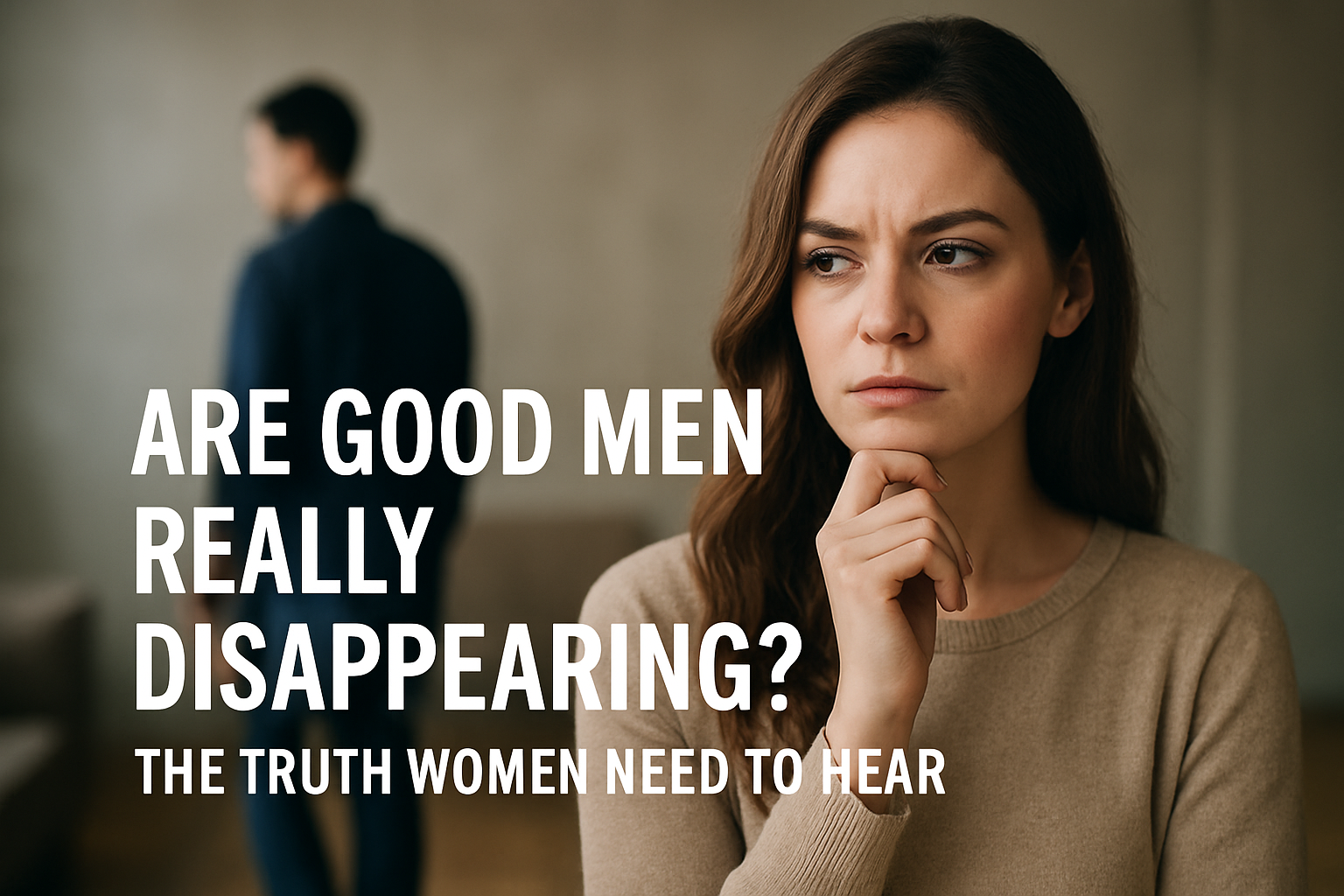
- Good men exist and are characterized by emotional availability, consistency, accountability, and mutual respect. Look for steady listening, reliable follow-through, and clear values.
- Common relationship pitfalls involve ultimatums, mixed signals, harsh criticism, and fear-based dating; counter with curiosity, compassionate boundaries, and slower pace.
- Practical shifts include building self-trust, setting healthy boundaries, and fostering slow, genuine connection through clear communication and mutual vulnerability.
- Focus on aligning standards with readiness, testing commitment with real conversations, and choosing actions that reflect real compatibility over hype.
Table of Contents
- Introduction
- 2. Qualities of a High-Quality Man Worth Waiting For
- 3. What Women Often Do That Pushes Good Men Away
- 4. How to Attract and Keep a Good Man: Practical Shifts
- 5. The Role of Self-Reflection: Your Personal Patterns
- 6. Communication That Builds, Not Breaks
- 7. Red Flags and When to Walk Away
- FAQ
- Conclusion
Introduction
The paradox of perceived scarcity
You’ve heard the refrain that good men are hard to find. Yet you also hear about healthy, lasting partnerships in other areas of life. The paradox isn’t just frustrating, it’s misleading. Scarcity often feels real when we miss the patterns that actually work.
What you see online tends to skew toward drama, not durability. Real connection isn’t a lottery ticket. It’s built through deliberate choices, mutual respect, and steady trust. When you expect instant relationship magic, you overlook the everyday signals that mark a truly good match.
What this article will uncover about good men and lasting relationships
We’re focused on clarity you can act on. This piece identifies:
- What quality looks like in a high‑value partner and how to spot it
- Common behaviors that push good men away and how to avoid them
- Practical shifts you can make to attract and keep a healthy connection
2. Qualities of a High-Quality Man Worth Waiting For
Emotional availability and empathy
A high-quality man sits with your feelings and resists the urge to fix every problem. He listens, reflects back what you share, and shows care even when there isn’t a simple solution.
Empathy is about registering your experience. Look for steady responsiveness that helps you feel seen, safe, and understood.
Consistency, accountability, and healthy boundaries
Consistency appears in small daily actions as well as major commitments. He follows through, respects timelines, and avoids shifting goalposts.
Accountability means owning mistakes without excuses. Healthy boundaries protect both people and sustain trust over time.
Respect, communication, and shared values
Mutual respect comes through in how disagreements are handled. He treats you as an equal, even when perspectives differ.
Clear, direct communication builds momentum. Shared values align decisions, priorities, and long-term goals.
3. What Women Often Do That Pushes Good Men Away
The impact of ultimatums and mixed signals
Ultimatums create pressure that freezes genuine connection. When a man senses a high stakes test, he may pull back to avoid resistance or conflict.
Mixed signals breed uncertainty. If actions don’t align with words, trust erodes and the relationship stalls before it starts.
Over-criticism, perfectionism, and heart-led connection
Constant critique can erode a man’s confidence and willingness to engage deeply. Constructive feedback matters more than constant fault finding.
Perfectionist standards raise the bar to unattainable levels, making healthy effort feel inadequate. Balance high expectations with recognition of real progress.
A heart-led connection is powerful when it’s paired with mutually respectful vulnerability. When criticism overshadows warmth, the emotional risk feels greater than the reward.
Fear-based self-talk and attracting for the wrong reasons
Fear-based narratives can shift focus from authentic compatibility to safety mechanisms. This often leads to choices that prioritize avoidance over genuine connection.
If you attract for appearance or status rather than shared values and real compatibility, the foundation won’t hold under pressure.
- Clarify what you will accept and what you won’t early on to reduce ambiguity.
- Lead with curiosity, not conclusions, to invite authentic dialogue.
- Repair mistakes openly to rebuild trust after missteps.
4. How to Attract and Keep a Good Man: Practical Shifts
Cultivating self-trust and confidence
Self-trust is a magnet. When you believe your own worth, you invite partners who reflect that sense of value. Start with small, repeatable wins you can own.
Try these moves: clarify your non negotiables, commit to a pace that feels safe, and notice what you bring to conversations without over explaining.
- Journal three personal strengths you relied on in past relationships and lean into them.
- Practice a brief, confident opener for early dates to reduce uncertainty.
- Set a personal boundary for how you respond to pushy behavior and hold it consistently.
Setting healthy boundaries without pushing away
Boundaries protect both people and allow genuine interest to grow. They should be clear, kind, and easy to uphold in the long run.
Focus on boundaries as guidance, not punishment. State needs succinctly and follow through with gentle consequences if violated.
- Limit conversations that derail into drama and steer back to shared topics.
- Define pacing for intimacy and disclosure to match your readiness.
- Communicate what you will and won’t tolerate, then demonstrate consistency.
Creating space for genuine connection and slow attraction
Slow attraction beats quick fizz every time. You want clarity, not hype. Let real connection unfold through steady, low-pressure steps.
Embrace deliberate pacing: nurture conversations, share vulnerabilities gradually, and assess alignment over weeks, not days.
- Prioritize activities that reveal character over those that inflate status.
- Schedule regular check-ins about how you feel, not just what you think.
- Avoid oversharing early on; let mutual curiosity grow before exposing deeper layers.
5. The Role of Self-Reflection: Your Personal Patterns
Identifying recurring relationship patterns
Review your past relationships with honesty. Look for repeated dynamics in timing, communication style, and emotional triggers. Naming these patterns is the first step to change.
Reflect on moments where you felt uncertain, and identify the beliefs that kept resurfacing. Distinguish patterns you could influence from those shaped by external pressures.
- List three recurring moments that sparked conflict or distance.
- Note the roles you tended to assume in these situations.
- Identify common fears that showed up, such as abandonment or inadequacy.
Aligning standards with reality and readiness
Standards should reflect what you truly want and what you can reasonably receive. Overestimating readiness can lead to mismatches or rushed commitment.
Match your standards to your current life stage. Look for signals of genuine readiness, such as consistent communication, compatible values, and mutual respect, before advancing to deeper levels.
- Clarify two non negotiables that truly matter to you now.
- Note where you can soften perfectionist expectations without compromising safety.
- Set a realistic timeline for progress that fits your everyday commitments.
6. Communication That Builds, Not Breaks
How to have meaningful conversations early on
Early talks set expectations. Focus on values, not just chemistry, to gauge long-term compatibility. Ask open questions that invite real stories, not rehearsed lines.
Use practical prompts to uncover alignment: what matters most in a partnership, how you handle conflict, and what pace you both prefer for getting closer.
- Start with one honest topic per conversation to avoid overload.
- Share a recent experience that reveals your approach to problem solving.
- Notice how they respond to vulnerability and whether they listen before replying.
Expressing needs without blame or pressure
Frame needs as statements about your experience, not accusations. This reduces defensiveness and invites collaboration.
Keep requests concrete and time-bound when possible. Clarity helps both people know what to do and when to revisit progress.
- Use “I feel” language to own your perspective without labeling the other person.
- Avoid absolute terms like always or never to keep the conversation focused on specific moments.
- Propose a check-in plan to revisit the topic after a set period, rather than forcing an immediate decision.
7. Red Flags and When to Walk Away
Signs of incompatible values or unhealthy dynamics
You should notice patterns that clash with your core beliefs or leave you feeling consistently drained. Red flags aren’t one off incidents; they recur and shape how you experience the relationship.
- Consistent disrespect or dismissiveness toward your boundaries
- Chronic emotional volatility that never stabilizes
- Promises that never translate into real change
Guardrails for long-term compatibility
Set clear, non negotiable boundaries and test them early. Guardrails protect you without creating endless debates.
- Agree on essential values before deep commitment
- Observe accountability during conflicts, not just after calm moments
- Assess whether time, effort, and respect flow in both directions
| Indicator | Healthy signal | Unhealthy signal |
|---|---|---|
| Communication | Direct, respectful, and timely | Dismissive, gaslighting, or inconsistent |
| Boundaries | Clearly stated and upheld | Often ignored or test boundaries |
| Accountability | Ownership of mistakes, corrective action | Blame shifting or excuses |
FAQ
Do good men still exist, and how can I recognize them?
Yes, good men still exist. They show up when a relationship starts with mutual respect, steady communication, and aligned values. Look for consistency in actions, not just words. They listen, take responsibility, and follow through on small promises.
- They respond with thoughtfulness, not just speed.
- They prioritize your boundaries and safety.
- They introduce you to trusted friends or family early on.
Why do some good men seem hesitant to commit?
Hesitation usually reflects genuine caution, not a lack of interest. Past experiences, fear of repeating old patterns, and a desire for alignment with long-term goals can delay commitment. It can also indicate they want to build a solid emotional foundation before deeper steps.
- They seek clear signals of readiness from you.
- They value consistency over dramatic displays of affection.
- They prefer gradual progression that confirms trust.
What changes deliver measurable improvements in dating outcomes?
Small, deliberate shifts yield visible results. Focus on clarity, pace, and emotional connection rather than chasing rapid progress.
- Underline non negotiables early to filter apps, dates, and conversations.
- Practice transparent, non blaming communication to test compatibility.
- Prioritize spaces and activities that encourage real conversations and vulnerability.
| Area | Common Pitfall | Improvement |
|---|---|---|
| Communication | Varying messaging tone or inconsistency | Open dialogues with specific prompts |
Conclusion
Summarizing actionable insights
We’ve identified practical shifts that make lasting connections more achievable. The emphasis is on consistent, respectful behavior, clear boundaries, and slower, deliberate attraction that favors real compatibility over hype.
- Prioritize emotional availability and reliable follow‑through over grand gestures.
- Communicate needs with clarity and test commitment through small, real conversations.
- Create space for vulnerability while protecting your core standards.
A healthier, more intentional approach to relationships
Your starting point shapes the match. Align your standards with your readiness to invite partners who share your pace and values. The aim is durable alignment, not rushed proximity.
| Focus Area | What to Do | What to Expect |
|---|---|---|
| Self-trust | Practice small, dependable routines that reinforce confidence | Less impulse seeking, more thoughtful choices |
| Boundaries | State non negotiables clearly and uphold them | Better respect and clearer signals |
| Pace | Slow the early relationship phase to nurture real connection | Stronger emotional bond when ready |
References
- Are there good men that exist? : r/AskWomenOver30 – Reddit
- The Real Reason Good Men Are Quietly Walking Away – YouTube
- Why Women Say “There Are No Good Men Left” (But Ignore the Ones …
- Do Good Men Still Exist? How to Meet Good Men – Catch Him and Keep Him
- Why don’t women admit to losing good men? – Facebook