


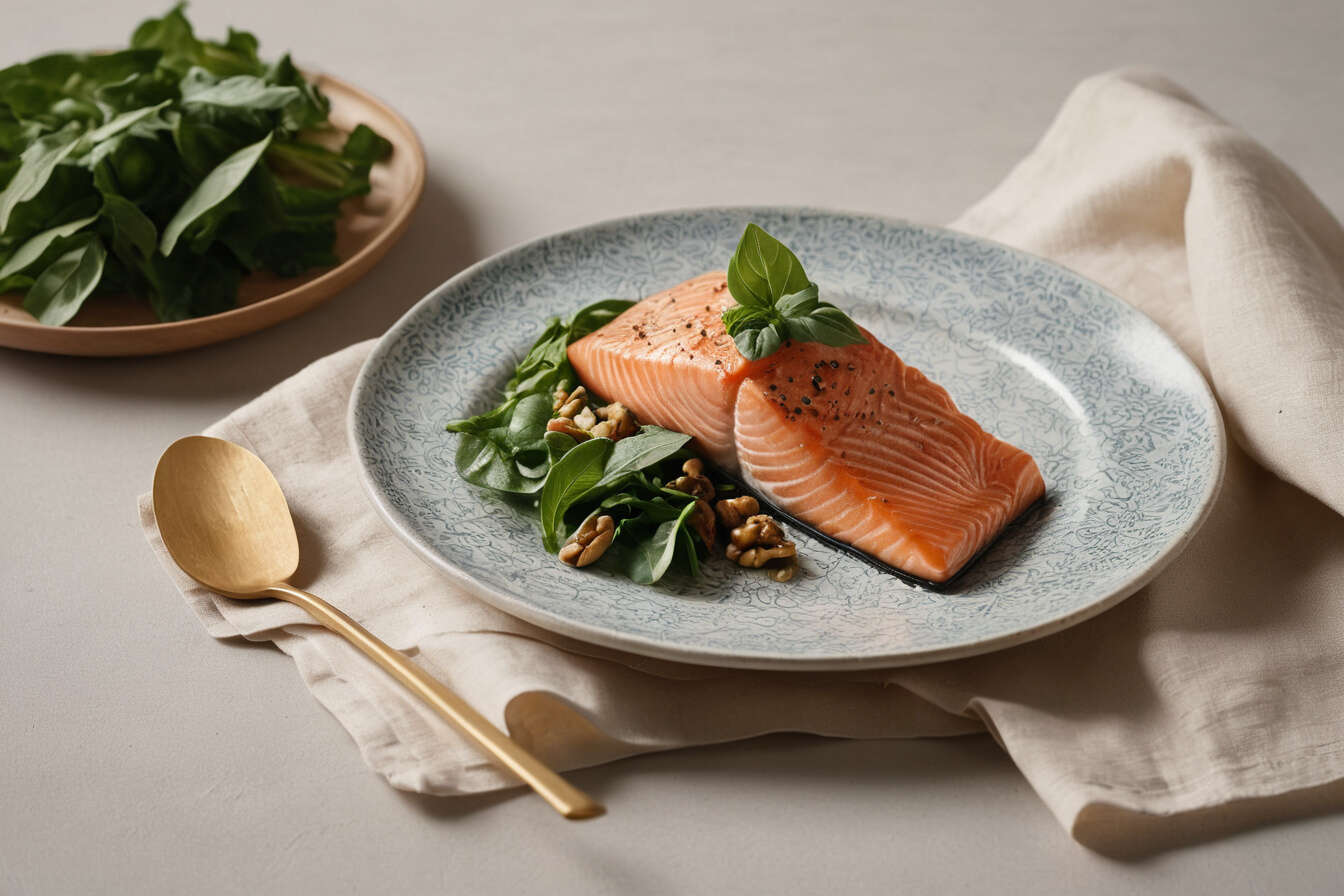
- Moderation and variety are key: choose lean meats, fish, and eggs for high‑quality protein while balancing saturated fat and sodium by cooking methods and portion control.
- Diversify non‑vegetarian sources (meat, poultry, fish) and pair with plant foods to boost fiber, micronutrients, and absorption (e.g., vitamin C with iron).
- Favor gentler cooking methods (baking, steaming, poaching) over high‑heat grilling/frying to reduce cancer‑related compounds; use marinades to add flavor with less fat.
- Practical patterns: aim for a palm‑sized protein portion per meal, rotate protein sources, and limit processed meats; include occasional liver/offal in moderation for nutrient variety.
Table of Contents
Introduction
You’re likely balancing protein needs with heart health, weight management, and overall wellness. Meat, poultry, and fish offer high‑quality nutrients, but the health effects depend on how much you eat, what you choose, and how it’s prepared.
In this section we frame what current evidence suggests about non‑vegetarian sources in your diet. We’ll cover the nutrients they provide, the risks linked to certain categories, and practical decisions you can make in daily life. The goal is to give you clear, actionable context, not a strict rulebook.
Key idea: different non‑animal foods contribute in distinct ways. Lean meats, fish, and eggs can boost protein, iron, zinc, and B vitamins. Beans and pulses offer plant‑based protein and fiber that support heart and gut health. Your choices matter as much as your total intake.
What you’ll see next is a concise map of benefits and potential risks across meat, poultry, and fish, with notes on saturated fat, cholesterol, and cancer risk linked to processing and cooking methods. You’ll also find practical guidelines to help you tailor these foods to your dietary preferences and health goals.
Practical ways to apply these insights
You don’t have to overhaul your meals to see benefits. Start with small, concrete changes tailored to your routine. For example, swap one red meat dinner per week for a lean fish option or plant‑forward protein. This shift can reduce saturated fat intake while maintaining protein quality.
Plan ahead by batch cooking a versatile protein base. Grill chicken breasts in batches, then mix with vegetables for quick bowls, tacos, or salads. Keep canned fish like sardines or tuna on hand for fast lunches that deliver iron and omega‑3 fats.
Nutrient‑specific considerations
Iron and zinc from meat are highly bioavailable, meaning your body absorbs them efficiently. If you’re active or menstruating, aim for 2–3 servings of iron‑rich options weekly, pairing iron sources with vitamin C rich foods like citrus or tomatoes to boost absorption.
Omega‑3 fats from fatty fish support heart health and cognitive function. If you don’t eat fish regularly, consider a high‑quality algal oil supplement and include flaxseeds or walnuts to capture plant‑based omega‑3s, recognizing they’re less efficiently absorbed than fish oil.
Cooking methods and cancer risk
How you cook matters almost as much as what you eat. Grilling, broiling, or frying at high temps can form compounds linked to cancer risk when done repeatedly. Prefer baking, steaming, poaching, or gentle sautéing, and use marinades with herbs and citrus to reduce fat absorption and add flavor without excess salt.
Use a thermometer to avoid overcooking. For poultry, target 165°F (74°C); for pork and beef, aim for safe internal temperatures without overdoing it, which preserves moisture and nutrients.
Common pitfalls and edge cases
- Processed meats often carry higher sodium and nitrite exposure. Limit intake to treat‑level use rather than daily staples.
- High‑fat cuts can push daily saturated fat beyond recommended levels. Choose skinless, trimming visible fat, and rotate to leaner options.
- Allergies or dietary restrictions may require substitutions. If you can’t eat fish, ensure you get omega‑3s from algae oil or fortified foods.
Putting it into a daily routine
Try a simple weekly plan: two lower‑fat poultry meals, two fish or plant‑based protein meals, and the rest from beans, eggs, or dairy if you consume dairy. Track portions to stay within your target protein and fat ranges without feeling restricted.
Bella Kent encourages practical choices that fit your life. If you cook for a family, involve everyone in choosing protein sources to build long‑term habit and satisfaction.
Key Concepts
Understanding how meat, poultry, and fish fit into a healthy pattern starts with recognizing their nutrient profile. These foods deliver high‑quality protein, B vitamins, iron, zinc, and iodine, along with varying amounts of saturated fat. The type of meat and the way it’s prepared shape the overall impact on health.
Protein quality matters. Meat, fish, and eggs provide complete proteins that supply all essential amino acids. This helps with muscle maintenance, immune function, and satiety. If you limit animal sources, you can still meet protein needs with beans, pulses, and other non‑animal options, but you may need to combine foods to cover all amino acids.
Saturated fat and blood cholesterol are central considerations. Red meat and certain processed products tend to carry more saturated fat, which can influence cholesterol levels. Cooking methods that add fat or create char can also affect compound formation. Balancing lean cuts with mindful cooking helps manage intake without sacrificing flavor.
Processing changes risk profiles. Processed meats carry higher salt content and preservation additives. This combination has been linked to higher blood pressure and certain cancer risks in population data. Choosing unprocessed options more often can reduce these specific exposures while still delivering protein and micronutrients.
Iron, zinc, and B vitamins come from animal sources in forms readily absorbed by the body. Meat and liver provide iron that is efficiently used by the body, especially for individuals with higher iron needs. Vitamin B12 is nearly exclusive to animal products, making meat, fish, and eggs important for that nutrient unless fortified foods or supplements are used.
Vitamin and mineral diversity varies by category. Fatty fish contributes omega‑3 fatty acids and selenium in addition to protein, supporting heart and brain health. Liver offers a rich bundle of vitamins A and B, but its high vitamin A content means portion control is important for certain individuals. Eggs supply choline and robust protein along with fats that can be part of a balanced meal.
- Lean meat options include chicken breast, pork loin, and trim cuts of beef or lamb.
- Short‑cooking times with moderate heat help preserve nutrients and limit unwanted compounds.
- Pair meat with beans, vegetables, or whole grains to broaden the nutrient matrix and fiber intake.
Practical takeaway: diversify your non‑vegetarian choices to spread micronutrient benefits while reducing exposure to sodium, processed components, and high saturated fat. This approach aligns with a protein‑forward diet that supports heart health, muscle maintenance, and overall well being.
Conclusion
Meat, poultry, and fish provide distinct nutrients that can fit into a balanced pattern when chosen and prepared thoughtfully. The emphasis should be on variety, moderation, and cooking methods that preserve nutrients.
When animal sources are limited, you can fill gaps with beans and pulses to boost fiber and plant protein, helping diversify the nutrient pool without overreliance on any single category.
Practical takeaways to apply at the table:
- Favor lean cuts and moderate portions to manage saturated fat intake.
- Lean toward fish and eggs as versatile protein options that pair well with vegetables and grains.
- Limit processed meats and choose unprocessed varieties to reduce added sodium and additives.
- Include liver or other offal occasionally for a nutrient boost, while mindful of portions.
- Use cooking methods that preserve nutrients and minimize formation of unwanted compounds.
Real‑world meal patterns you can adopt
Many households structure meals around a palm sized portion of lean protein. A weeknight skillet might feature salmon with roasted broccoli and quinoa, providing omega‑3 fats, fiber, and minerals in one dish. Another night could be a chicken and vegetable stir fry over brown rice, offering balance without heavy sauces.
At the table, rotate protein sources to reduce fatigue. Try a fish night every other week, swap in lean beef or turkey, and include a plant‑forward option like lentil salad with herbs alongside seafood or poultry. This approach broadens micronutrient coverage and keeps meals varied.
Practical steps you can take now
- Start with a 3 to 4 ounce serving of protein per adult for most meals, adjusting for activity and goals.
- Pair protein with three colorfully varied vegetables to boost phytochemicals and fiber.
- Choose cooking methods that minimize nutrient loss: bake, steam, poach, or grill instead of deep frying.
- Limit cured or salted meats to occasional use and rinse canned options to reduce sodium.
- When using liver, keep portions around 2 ounces and limit frequency to about once a week.
Evidence supports balancing animal and plant proteins to enhance micronutrient diversity. For example, pairing iron‑rich sources with vitamin C can improve absorption, while plant proteins help sustain fiber intake. If you reduce meat, plan around legumes, nuts, seeds, and fortified grains to meet essential nutrients. Bella Kent recommends pairing seafood with leafy greens and citrus to optimize vitamin A and calcium status through meals.
References
- Meat in your diet
- Poultry Consumption and Human Cardiometabolic Health …
- Lean meat and poultry, fish, eggs, tofu, nuts and seeds and …
- Associations of Meat, Poultry, or Fish Intake With Incident …
- Meat, poultry, eggs and fish and cancer risk