

- Focus on nutrient-dense foods across categories like salmon, leafy greens, cruciferous vegetables, berries, beans, nuts, whole grains, and seeds to support heart, bone, and energy health.
- Balance meals by including a protein, a leafy green, and a whole grain, while using practical prep tips (batch cooking, ready-to-use staples) for busy schedules.
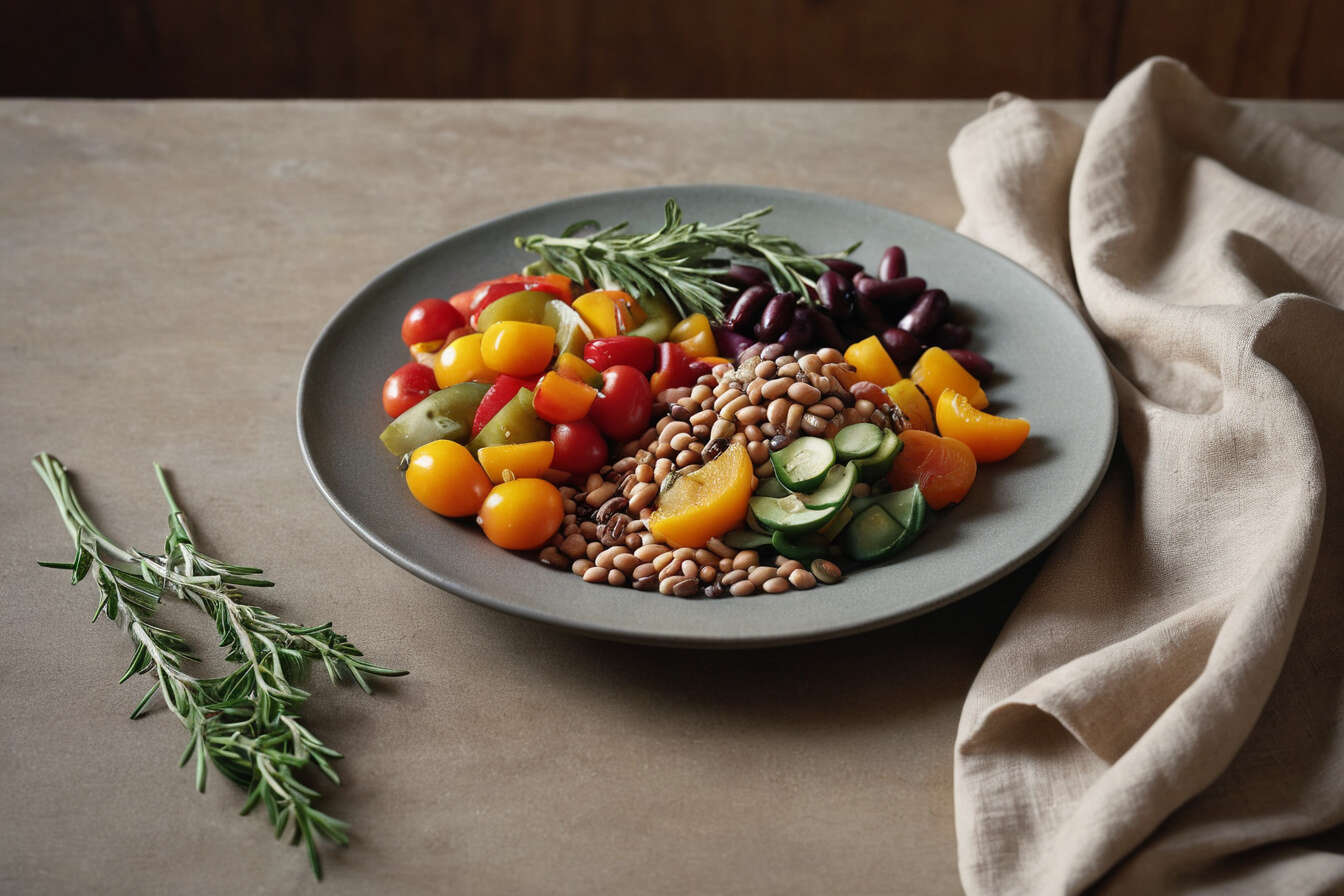
- Enhance enjoyment and adherence through design-minded plating, color pairing, and textures, without sacrificing nutrition or taste.
- Understand the difference between nutrient-dense and calorie-dense foods to reduce empty calories and improve daily resilience.
Table of Contents
- Introduction
- 1. Salmon: A Wellness Powerhouse
- 2. Leafy Greens: Spinach, Kale, and Friends
- 3. Cruciferous Champions: Broccoli and Friends
- 4. Berries and Crucial Produce: Colorful Fruits
- 5. Beans and Lentils: Plant-Based Protein Power
- 6. Nuts and Seeds: The Healthy Fat Duo
- 7. Whole Grains: Brown Rice, Quinoa, and Oats
- FAQ
- Conclusion
Introduction
What nutrient density means
Nutrient density describes how many vitamins, minerals, fiber, and phytonutrients a food provides relative to its calories. Foods like salmon, leafy greens, beans, berries, and whole grains are classic examples of nutrient-dense options.
Choosing these foods helps you meet daily needs for protein, micronutrients, and fiber while maintaining energy balance. It emphasizes quality alongside quantity.
Why it matters for daily health and design-forward living
Nutrient-dense choices support heart health, bone density, muscle strength, and steady energy. They also influence long-term risk factors for chronic disease, helping you build a durable foundation for vitality.
In a design-forward routine, these foods fit into deliberate meal structures, color-driven plate aesthetics, and thoughtful preparation without sacrificing taste or ease.
- Fiber supports digestion and helps manage weight
- Vitamins and minerals sustain energy and mood
- Phytonutrients contribute to overall resilience
1. Salmon: A Wellness Powerhouse
Nutrient profile and key health benefits
Salmon provides high-quality protein and omega-3 fats that support heart and brain health. It also offers vitamin D, B vitamins, and selenium in meaningful amounts. Regular portions help maintain muscle mass as part of an aging-friendly diet.
A serving of salmon delivers fatty acids that support inflammation management and metabolic function. Together with a varied diet, these nutrients contribute to bone health and may influence long-term disease risk factors.
Creative ideas to incorporate salmon into everyday meals
- Sheet-pan dinners: lay salmon fillets with colorful vegetables, drizzle olive oil, and roast until flaky.
- Salmon bowls: combine cooked salmon with quinoa, spinach, and a citrus sauce for a quick lunch.
- Leftover remix: flake cooked salmon into a whole-grain pasta with lemon zest and parsley for a bright, protein-rich meal.
2. Leafy Greens: Spinach, Kale, and Friends
Vitamins, minerals, and phytonutrients
Leafy greens provide a compact package of micronutrients. They supply vitamins A, C, K, and folate, along with minerals like iron and calcium. Phytonutrients within greens support cellular health, contributing to bone density and immune function while helping sustain energy throughout the day.
In addition to their micronutrients, these greens deliver both soluble and insoluble fiber, supporting gut comfort and satiety. Rotating between spinach, kale, and their cousins broadens the spectrum of antioxidants you receive.
Ways to season and present greens for daily meals
- Pair greens with citrus and olive oil to boost iron absorption and brighten flavor.
- Raw, sautéed, or steamed: vary textures to keep meals interesting without adding heavy calories.
- Layer into wraps, tuck into frittatas, or blend into smoothies for convenient daily inclusion.
- Season boldly with garlic, chili flakes, or toasted seeds to highlight natural flavors.
3. Cruciferous Champions: Broccoli and Friends
Detoxifying compounds and their benefits
Cruciferous vegetables contain glucosinolates that convert to active compounds supporting the body’s detoxification pathways. These compounds help with antioxidant activity and may contribute to cellular resilience as part of a balanced diet.
Beyond broccoli, Brussels sprouts, kale, and cauliflower provide fiber, vitamins, and minerals alongside these plant compounds. A varied cruciferous lineup supports liver function and immune health when paired with other nutrient-dense foods.
Practical prep methods to maximize nutrient retention
- Steam for 4 to 6 minutes to preserve vitamin C and glucosinolate compounds better than boiling.
- Lightly sauté with a small amount of healthy fat to improve absorption of fat-soluble nutrients.
- Cut into uniform pieces to ensure even cooking and minimize nutrient loss.
4. Berries and Crucial Produce: Colorful Fruits
Antioxidants and fiber in everyday snacks
Colorful fruits, especially berries, deliver a dense mix of fiber, vitamins, minerals, and phytonutrients. They help steady energy between meals and support digestive health with soluble and insoluble fiber. Regular fruit intake is linked to a varied nutrient intake and better everyday resilience.
Within this group, berries stand out for their high antioxidant content. These compounds support cellular health and may contribute to broad age-related benefits when eaten consistently as part of a balanced diet.
Pairings and quick-use recipes
- Pair berries with yogurt or oats for a quick breakfast that blends texture and sweetness.
- Blend spinach or kale into a berry smoothie to boost greens without overpowering flavor.
- Combine sliced apples with almond butter for a fiber- and protein-rich snack.
- Top fruit salads with citrus zest and a sprinkle of nuts for added crunch and healthy fats.
| Fruit Type | Key Nutrients | Best Uses |
|---|---|---|
| Berries | Fiber, vitamin C, anthocyanins | Snacks, cereals, smoothies |
| Apples | Soluble fiber, vitamin C, potassium | Raw snacks, baking, salads |
| Leafy produce (paired greens) | Vitamins K and A, folate, phytonutrients | Salads, wraps, side dishes |
5. Beans and Lentils: Plant-Based Protein Power
Iron, folate, and fiber benefits
Beans and lentils deliver a fiber punch along with iron and folate, supporting energy levels and red blood cell health. The combination helps maintain steady blood sugar and supports daily satiety, making it easier to plan balanced meals without overeating.
Beyond protein, these legumes supply resistant starch and a range of micronutrients that contribute to gut health and mineral status, supporting aging well and preserving muscle function.
Meal ideas for breakfast, lunch, and dinner
- Breakfast: savory bean toast with mashed avocado and a squeeze of lime for a fiber-rich start.
- Lunch: lentil salad with cucumber, tomato, herbs, and olive oil for a portable, protein-dense option.
- Dinner: black bean chili with corn and peppers, served over quinoa to boost complete protein intake.
| Legume Type | Key Nutrients | Practical Use |
|---|---|---|
| Beans | Iron, folate, soluble fiber | Soups, salads, stews |
| Lentils | Folate, fiber, plant protein | Curries, bowls, veggie burgers |
6. Nuts and Seeds: The Healthy Fat Duo
Magnesium, vitamin E, and healthy fats
Nuts and seeds offer a compact nutrient package that supports daily energy and cellular function. Magnesium aids muscle relaxation and energy production, while vitamin E provides antioxidant protection for cell membranes. The fats are largely unsaturated, supporting heart and brain health when consumed in sensible portions.
Portion guidance and versatile uses
Keeping portions in check matters because calories accumulate quickly. A small handful or about two tablespoons of seeds fits many daily plans. Favor unsalted varieties and choose minimally processed options without added sugars.
- Snack ideas: a small handful of almonds or walnuts on the go.
- Meal accents: scatter chia or flax seeds on yogurt, oats, or salads.
- Cooking uses: grind nuts into a paste for dressings or crusts to add texture and depth.
| Nut or Seed | Key Nutrients | Best Use |
|---|---|---|
| Almonds | Magnesium, vitamin E, fiber | Snacks, almond butter, topping for bowls |
| Walnuts | Omega-3 fats, magnesium | Salads, baked dishes, baked goods |
| Seeds (chia, flax) | Fiber, omega fats, minerals | Thickeners for puddings, smoothies, gravies |
7. Whole Grains: Brown Rice, Quinoa, and Oats
Nutrient density and energy supply
Whole grains provide steady energy through complex carbohydrates, fiber, and minerals. They support sustained activity and daily functioning, pairing well with lean proteins and vegetables to form balanced meals.
Brown rice supplies magnesium and B vitamins that support metabolism and nerve function. Quinoa delivers complete plant-based protein along with iron and zinc. Oats contribute soluble fiber that aids satiety and supports heart health, delivering reliable fuel for mornings and active afternoons.
Simple daily-serving ideas
- Swap white rice for brown rice as a base for bowls and stir-fries.
- Use quinoa as a salad component or as a hearty morning porridge with fruit.
- Prepare overnight oats with yogurt, berries, and nuts for a fiber-rich breakfast.
- Aim for 1/2 to 1 cup cooked grain per meal, depending on activity level and appetite.
| Grain | Key Nutrients | Best Uses |
|---|---|---|
| Brown Rice | Magnesium, B vitamins, fiber | Bowl bases, pilafs, side dishes |
| Quinoa | Complete protein, iron, zinc | Salads, bowls, porridge |
| Oats | Soluble fiber, manganese, phosphorus | Breakfasts, baking, thickening sweet dishes |
FAQ
What are nutrient-dense foods and how do they differ from calorie-dense foods?
Nutrient-dense foods provide a high amount of vitamins, minerals, fiber, and other beneficial compounds relative to their calories. They help you meet daily nutrient needs without excessive energy intake.
Calorie-dense foods deliver many calories with relatively fewer nutrients. They often come from added fats, sugars, or ultra-processed ingredients and can crowd out more nutrient-rich options.
| Category | What it means | Practical impact |
|---|---|---|
| Nutrient-dense | High vitamins, minerals, fiber per calorie | Supports bone, heart, and metabolic health with fewer empty calories |
| Calorie-dense | High calories with limited nutrients | May lead to energy excess without essential micronutrients |
How can I incorporate nutrient-dense foods on a busy schedule?
Plan around quick, nutrient-packed staples and batch cook when you have time. Build meals that combine lean proteins, whole grains, and vegetables for balance.
- Choose ready-to-eat options like pre-washed greens, canned beans, or frozen vegetables to save prep time.
- Batch cook staples such as quinoa, lentils, or roasted vegetables for versatile meals during the week.
- Keep portable options on hand, like nuts, fruit, and yogurt, to ensure nutrient-dense snacks between commitments.
Conclusion
Putting nutrient-dense choices into a design-minded daily routine
Our framework centers nourishment with clarity. Build a day around a simple set of nutrient-dense staples from each category to create balanced meals that still feel deliberate.
Design informs how you eat. Consider color, texture, and plate rhythm to make healthful options inviting rather than rigid.
Practical takeaways to weave into everyday life:
- Aim for one protein source, one leafy green, and one whole grain per meal to support steady energy.
- Style and present foods in ways that keep nutrient-dense options appealing and satisfying.
- Batch cook core components and assemble bowls with quick toppings to save time on busy days.
In practice, a design-forward routine combines intention with enjoyment. It supports bone density, muscle strength, and heart health while aligning with your aesthetic and lifestyle. Stay curious about textures and pairings, letting meals reflect health and taste. This approach helps you stay consistent, motivated, and nourished over time.
References
- 10 great health foods
- Top 15 healthy foods you should be eating
- 33 Nutrient-Dense Foods to Fuel Your Health | Orlando
- Creating balanced, healthy meals from low-calorie, nutrient …
- 12 of the Most Nutrient-Dense Foods You Can Eat