

- Adopt a practical, sustainable approach to balance calories, macros, and micronutrients with real, minimally processed foods.
- Prioritize whole foods, abundant vegetables, adequate protein at each meal, healthy fats, and high-fiber carbohydrates.
- Plan and hydrate: use simple meal-planning, smart snacking, and regular water intake to support energy and fullness.
Table of Contents
Introduction
A balanced diet starts with clear intention and practical choices you can maintain. You don’t need perfection to see real health benefits. Small, steady changes add up over time.
Think of healthy eating as a daily habit, not a crash plan. The goal is a nutrient-dense approach that supports energy, mood, and long-term wellbeing. Consistency with real food yields better results.
This guide focuses on actionable steps to balance calories, macros, and micronutrients across meals and snacks. No gimmicks, just straightforward strategies you can apply at home, work, or on the go.
1. Prioritize Whole, Nutrient-Dense Foods
Choose foods that deliver solid nutrition per bite. Favor minimally processed items for steadier energy, greater satiety, and richer micronutrient profiles. Base choices on real food guidelines and the Dietary Guidelines for Americans.
What counts as whole foods
Prioritize unprocessed or minimally processed options close to their natural form. Think a variety of vegetables, fruits, legumes, whole grains, nuts, seeds, eggs, lean poultry, seafood, and low-fat dairy. These foods naturally provide a broad spectrum of vitamins, minerals, and fiber.
How to incorporate greens, fruits, and whole grains
- Fill half your plate with non-starchy vegetables and leafy greens at meals.
- Choose whole grains such as oats, brown rice, quinoa, and barley over refined options.
- Include at least two servings of fruits daily, varying colors for diverse phytonutrients.
- Rely on legumes, beans, and lentils as affordable protein and fiber sources.
- Shop the perimeter where fresh produce, dairy, and fresh meats are typically found.
2. Build Protein Power Into Every Meal
Plant-based and animal protein options
Protein supports every stage of body function, from muscle repair to immune health. Mix animal and plant sources to balance fats, fiber, and micronutrients. Options include eggs, poultry, seafood, beans, lentils, tofu, tempeh, nuts, and seeds. This variety helps you hit daily protein targets without boredom.
- Eggs and dairy for quick, versatile options
- Poultry and seafood for lean, complete proteins
- Beans and lentils as affordable staples
- Nuts and seeds for snacks or toppings
Smart portion sizes and timing
Portion control matters for balance. Aim for roughly palm-sized servings of protein at most meals, then adjust based on activity and body goals. Spreading protein across meals supports satiety and steady energy throughout the day.
- Distribute 20–40 grams of protein per meal depending on body size and activity
- Pair protein with fiber-rich carbs and healthy fats to optimize absorption
- Plan around workouts by including a protein-rich snack or meal within a two-hour window
3. Embrace Healthy Fats and Fiber
Sources of unsaturated fats
Choose fats that support heart health and steady energy. Prioritize unsaturated fats from real foods and avoid heavily processed options.
- Olive oil, avocado, and nuts as everyday staples
- Fatty fish like salmon and sardines a few times per week
- Seeds such as flax, chia, and walnuts for texture and micronutrients
Role of fiber in digestion and satiety
Fiber aids digestion, supports gut health, and helps manage fullness between meals. The benefit comes from variety and source, not just quantity.
- Incorporate both soluble and insoluble fiber from whole grains, fruits, vegetables, and legumes
- Aim for color and texture variety to boost nutrient intake
- Balance fiber with adequate fluids to ease digestion
4. Plate the Diet Right: Colorful Vegetables and Balanced Plates
How to create a visually balanced plate
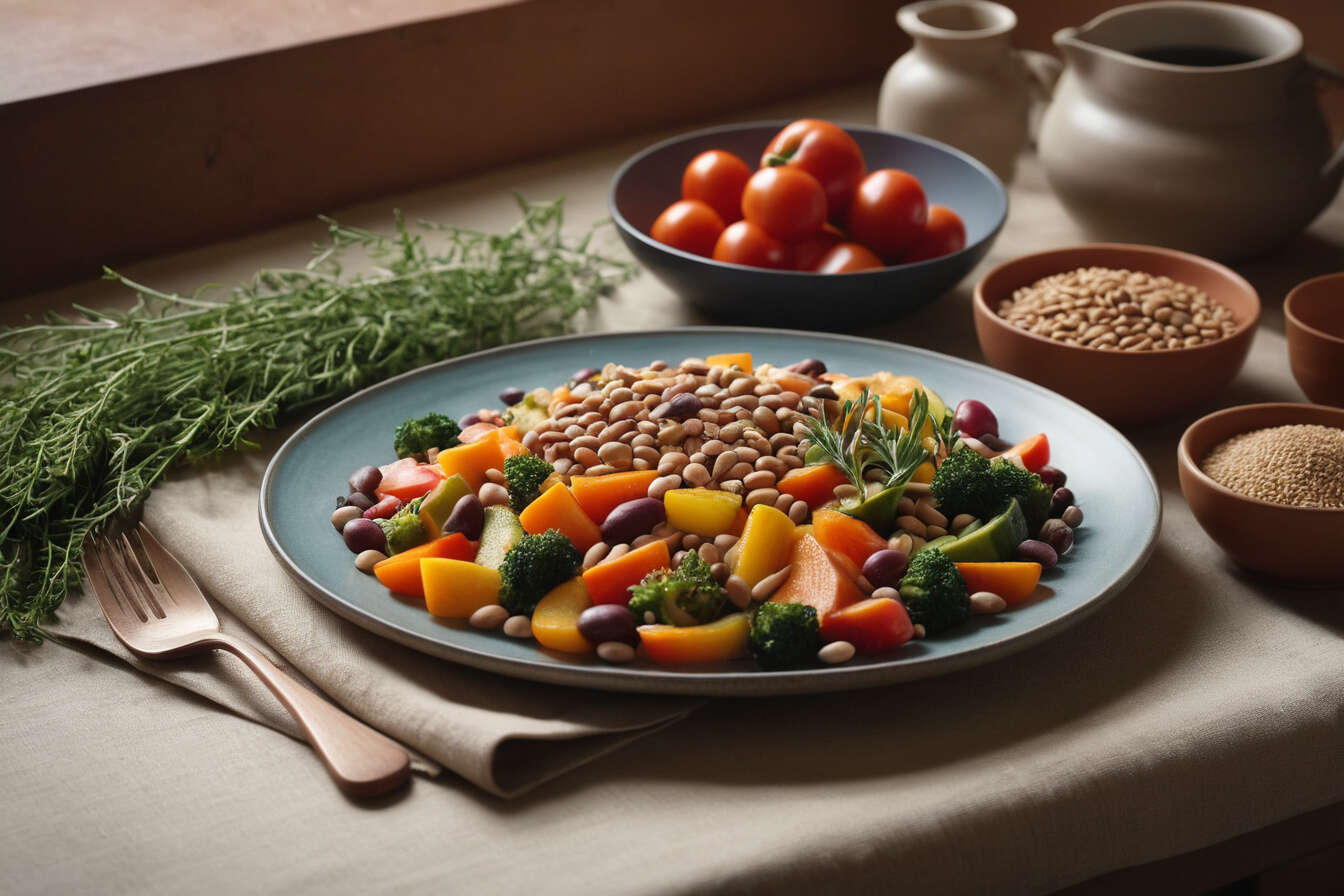
Design meals around color and balance. Start with a base of vegetables, add a protein source, and finish with a portion of whole grains or healthy fats. This approach keeps meals satisfying and nutrient-dense without excess calories.
- Fill half the plate with non-starchy vegetables and leafy greens
- Reserve a quarter for lean protein
- Use the remaining quarter for whole grains or starchy sides
Color variety and nutrient diversity
Different colors reflect distinct nutrient profiles. A rainbow plate supports a broad range of vitamins, minerals, and phytonutrients that support overall health and long-term wellbeing.
- Include at least three colors per meal, such as greens, reds, and oranges
- Vary vegetables across the week to broaden micronutrient intake
- Pair colorful vegetables with healthy fats to aid nutrient absorption
5. Bella Kent
Signature premium digital assets for mindful eating
We built a curated set of premium digital assets designed to support mindful eating. Our resources blend practical guidance with thoughtful design, making healthy choices easier to translate into daily routines. Expect planners, trackers, and quick-reference tools that feel both approachable and functional.
- Elegant meal planners aligned with Dietary Guidelines for Americans
- Snack trackers focused on nutrient density and balance
- Color-coded templates to visualize plate balance
- Quick reference guides for protein, vegetables, fruits, and whole grains
How to apply Bella Kent resources to daily choices
Use our assets to simplify decisions. Start with a simple two-step routine: plan meals on Sunday and review intake midweek. The tools are designed to be practical, enabling steady use with minimal friction.
- Schedule a weekly planning block and populate it with nutrient-dense options
- Pair meals with color-coded templates to ensure variety
- Log meals with a streamlined tracker to monitor protein and fiber targets
- Refresh your toolkit monthly to match seasonal produce and preferences
6. Smart Hydration and Beverage Choices
Choosing water and unsweetened options
Hydration supports metabolism, digestion, and energy without adding unnecessary calories. Make plain water your default beverage and switch to unsweetened options when needed.
- Keep a water bottle within reach at meals and work sessions
- Flavor with fresh citrus, cucumber, or herbs rather than sweeteners
- Include unsweetened teas or black coffee as alternatives
Limiting added sugars and alcohol
Excess sugars and alcohol can push calorie intake up without delivering meaningful nutrients. Moderation matters, and choosing lower-sugar options helps maintain balance.
- Choose beverages with no added sugars whenever possible
- Limit high-sugar drinks like sodas and sweetened juices
- Be mindful of alcohol portions and frequency
7. Practical Snacking and Meal Planning
Healthy snack ideas that fit busy schedules
Snacks should bridge gaps between meals with protein, fiber, and healthy fats. Plan options you can grab on the go to avoid vending machine temptations.
- Greek yogurt with berries and a handful of almonds
- Apple slices with peanut or almond butter
- Hummus with carrot sticks and whole-grain crackers
- Cottage cheese with pineapple chunks
- Roasted chickpeas or edamame for a savory bite
7-day simple meal planning framework
Structure meals around color, protein, and fiber. Use a repeatable template to cut decision fatigue while broadening nutrient coverage.
- Base days on three main meals plus two snacks, with at least one plant-forward option daily
- Rotate protein sources each day: poultry, seafood, beans, eggs, and dairy
- Incorporate three or more vegetables across the day, including at least one leafy green
- Choose whole grains or starchy vegetables as the primary carbohydrate source
- Keep a small inventory list and a weekly prep window to batch-cook staples
- Prep grab-and-go components like chopped veggies, pre-portioned yogurts, and cooked grains
FAQ
Here are practical answers to common questions about building a balanced diet. Each response focuses on actionable steps you can apply today.
- What is a balanced plate? A balanced plate combines lean protein, vegetables, and a source of whole grains or starchy vegetables, with healthy fats to support nutrient absorption. Aim for color variety to maximize micronutrient intake.
- How much protein should I include per meal? Target a palm-sized portion of high-quality protein at most meals. This supports muscle maintenance and satiety when paired with fiber from vegetables and whole grains.
- Are dairy products necessary? Dairy or fortified alternatives provide calcium and vitamin D. Choose options without added sugars and pair with other nutrient-dense foods for a complete meal.
- What about fats? Prioritize unsaturated fats from olive oil, nuts, seeds, and fatty fish. Use fats to flavor foods and aid nutrient absorption from vegetables and grains.
- How can I eat more vegetables and fruits? Add at least one fruit or vegetable to each meal. Frozen options can help with convenience, and mixing raw and cooked forms adds texture variety.
- What if I have a busy schedule? Plan simple meals that reuse ingredients across days. Keep shelf-stable staples and quick-prep proteins on hand to reduce decision fatigue.
| Topic | Practical tip | Quick win |
|---|---|---|
| Protein | Include a protein source at each meal | Prep a batch of beans or eggs for rapid meals |
| Vegetables | Fill half the plate with vegetables | Keep pre-cut veggies ready to grab |
| Carbohydrates | Choose whole grains or legumes | Cook a large batch and portion |
Conclusion
Balancing calories, macros, and micronutrients comes down to practical choices you can sustain. Build meals around real food that supports your daily activities and long‑term health.
Prioritize variety and color. Each plate should include protein, vegetables, whole grains or starchy vegetables, and healthy fats. This approach supports satiety and nutrient diversity without adding excess calories.
- Plan ahead to reduce decision fatigue and support consistency
- Make small swaps that add variety without complicating routines
| Strategy | Practical action | Benefit |
|---|---|---|
| Plate balance | Fill half with vegetables, a quarter with protein, a quarter with whole grains | Improved nutrient coverage and fullness |
| Snack smart | Choose combinations of protein, fiber, and healthy fats | Steady energy between meals |
| Hydration | Pair water with meals and carry a reusable bottle | Supports digestion and appetite regulation |
References
- Healthy Eating Tips | Nutrition – CDC
- Life’s Essential 8 – How to Eat Better Fact Sheet
- Essentials of Healthy Eating: A Guide – PMC
- Healthy diet – World Health Organization (WHO)
- Eating a balanced diet – NHS